
Makkah & Madinah
Makkah and Madinah Orientation for First-Time Visitors
Find your way around the two holy cities: the layout of the Masjid al-Haram and the Prophet’s Mosque, gates and meeting points, the Rawdah, ziyarat, getting between cities and daily practicalities.
This guide is awaiting review by a qualified scholar/travel specialist. Treat it as general information, and consult a qualified scholar for personal religious rulings.
Quick answers
- How do I travel between Makkah and Madinah?
- By road (coach or private car) or by the Haramain high-speed railway, which also serves Jeddah and its airport. Your quote will state which is included.
- Do I need a permit for the Rawdah?
- Yes. Visits to the Rawdah in the Prophet’s Mosque are booked through the official Nusuk app, subject to availability. No agency can guarantee an appointment.
- How do I avoid getting lost in the Haram?
- Note the name or number of the gate you used, agree a meeting point with your group outside a named gate, and save your hotel’s location on your phone.
- Is visiting Madinah part of Umrah?
- No. Visiting the Prophet’s Mosque in Madinah is a recommended and beloved visit, but it is not a rite of Umrah.
Arriving in Makkah or Madinah for the first time can be overwhelming: immense mosques, vast crowds and unfamiliar streets. A little orientation helps you spend your time in worship rather than searching for gates. This guide covers the essentials of each city.
Makkah
The Masjid al-Haram
- The mataf: the open area around the Kaaba where Tawaf is performed. Upper levels also allow Tawaf, with longer circuits.
- Mas’a: the air-conditioned gallery between Safa and Marwah, used for Sa’i, on several levels.
- Gates: the mosque has many numbered and named gates. Note the gate you entered from and use it as your reference point.
- Courtyards: the plazas around the mosque fill with worshippers at prayer times; at busy times, the courtyards themselves become prayer space.
- Zamzam: available throughout the mosque in dispensers.
Getting your bearings
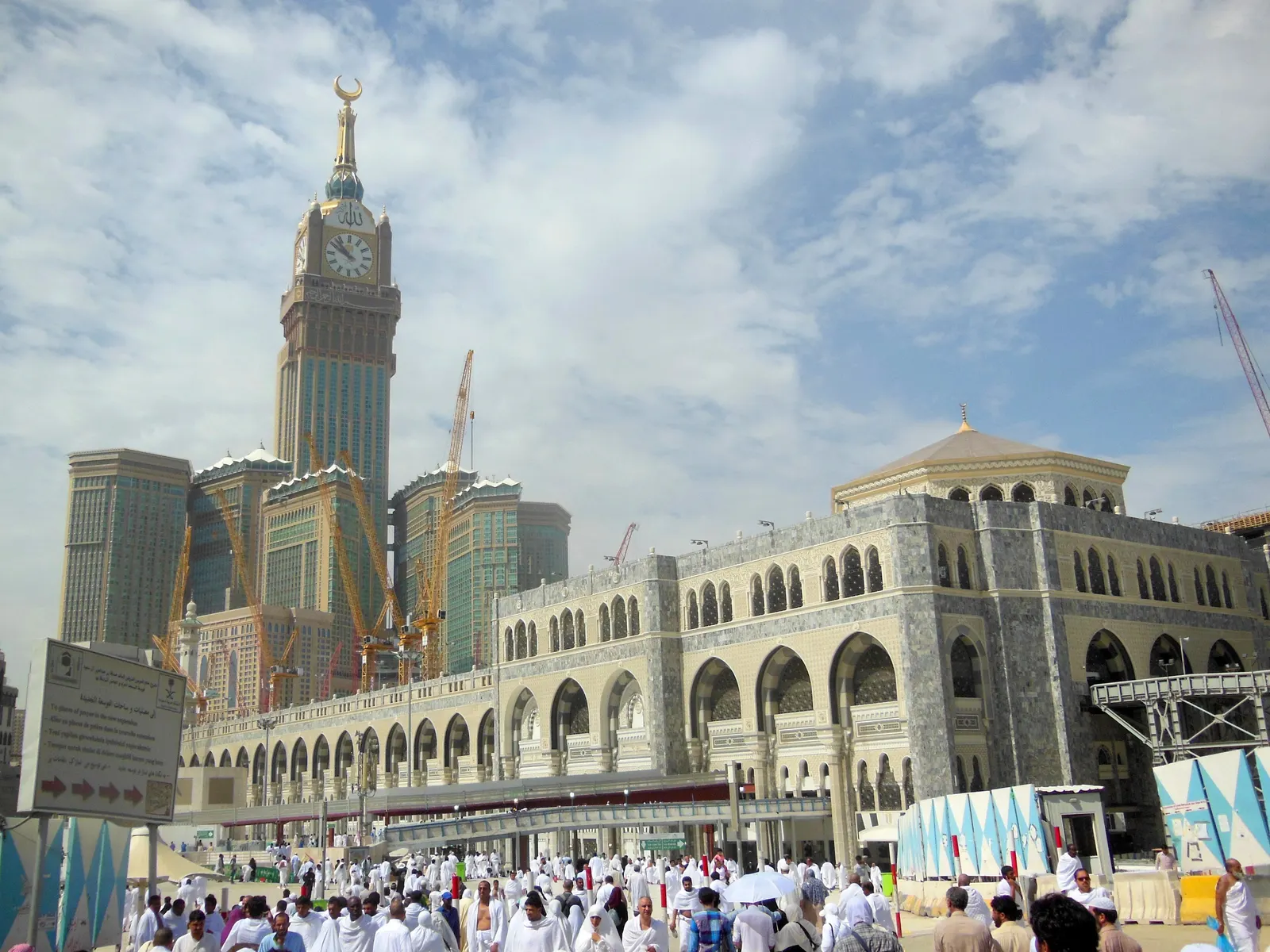
- The Abraj Al Bait clock tower, on the south side of the mosque, is visible from much of central Makkah and is a useful landmark.
- Save your hotel’s location on your phone and carry its card.
- Agree a fixed meeting point outside a named gate with your group.
Ziyarat in Makkah
Commonly visited places include Mount Arafat, Muzdalifah and Mina (the sites of Hajj), Jabal al-Nour (the mountain of the Cave of Hira), and Jabal Thawr. These visits are not part of Umrah; they offer reflection on the history of Islam.
Madinah
The Prophet’s Mosque (Masjid an-Nabawi)
- The mosque is surrounded by large courtyards with shade umbrellas that open during the day.
- Men and women have separate entrances and prayer areas. Check signage for your gate.
- Visiting the Prophet’s grave to send salutations is done with calm and respect, following the flow of visitors and the guidance of mosque staff.
The Rawdah
The Rawdah is the area between the Prophet’s pulpit and his house. Access is by appointment through the official Nusuk app, with separate times for men and women. Appointments are subject to availability; we cannot guarantee them.
Ziyarat in Madinah
Popular visits include Masjid Quba (the first mosque built in Islam), Mount Uhud and the martyrs’ cemetery, and Masjid al-Qiblatayn. Praying in Masjid Quba carries special virtue in the Prophetic tradition.
Between the cities
| Option | Good to know |
|---|---|
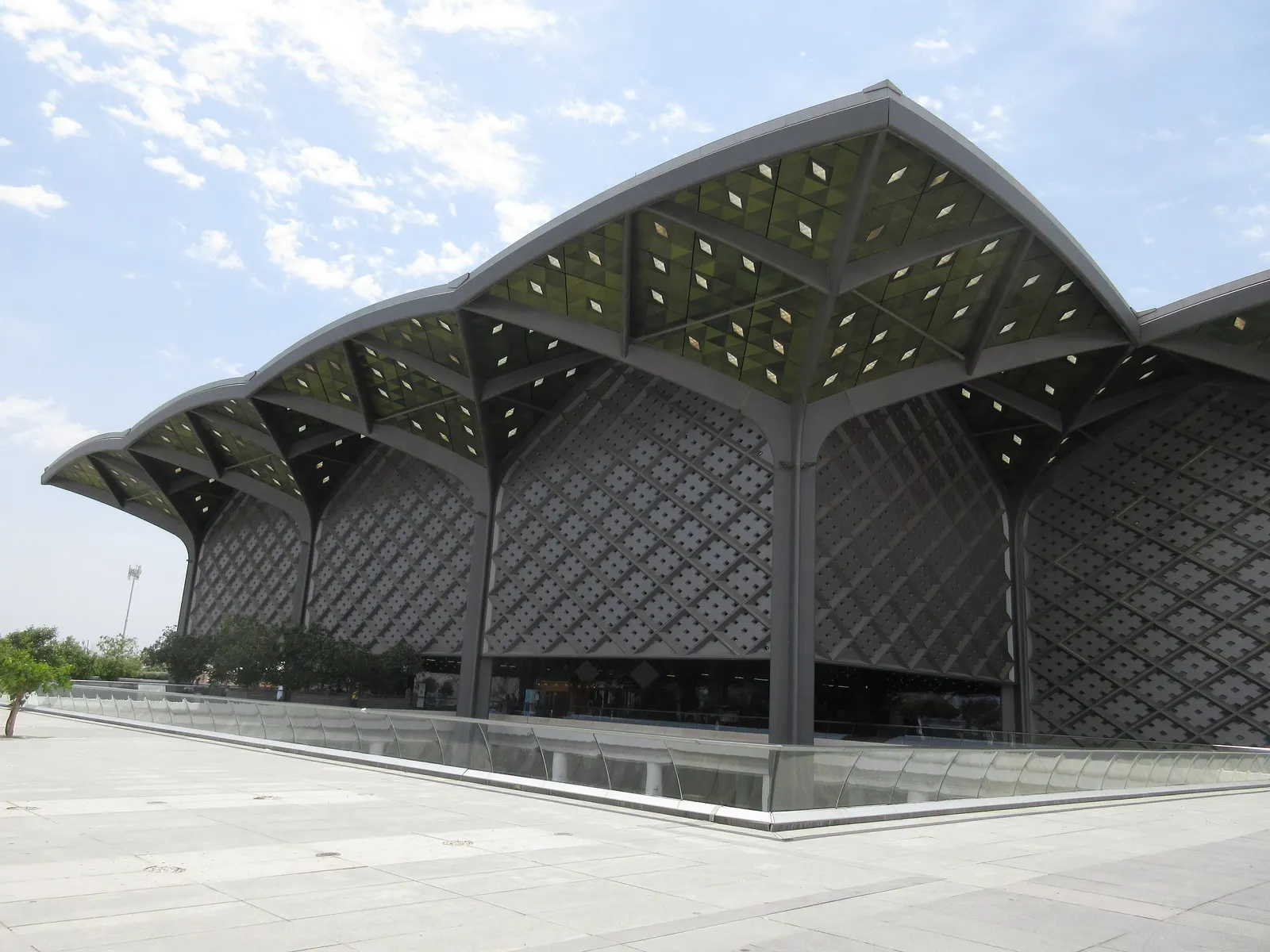
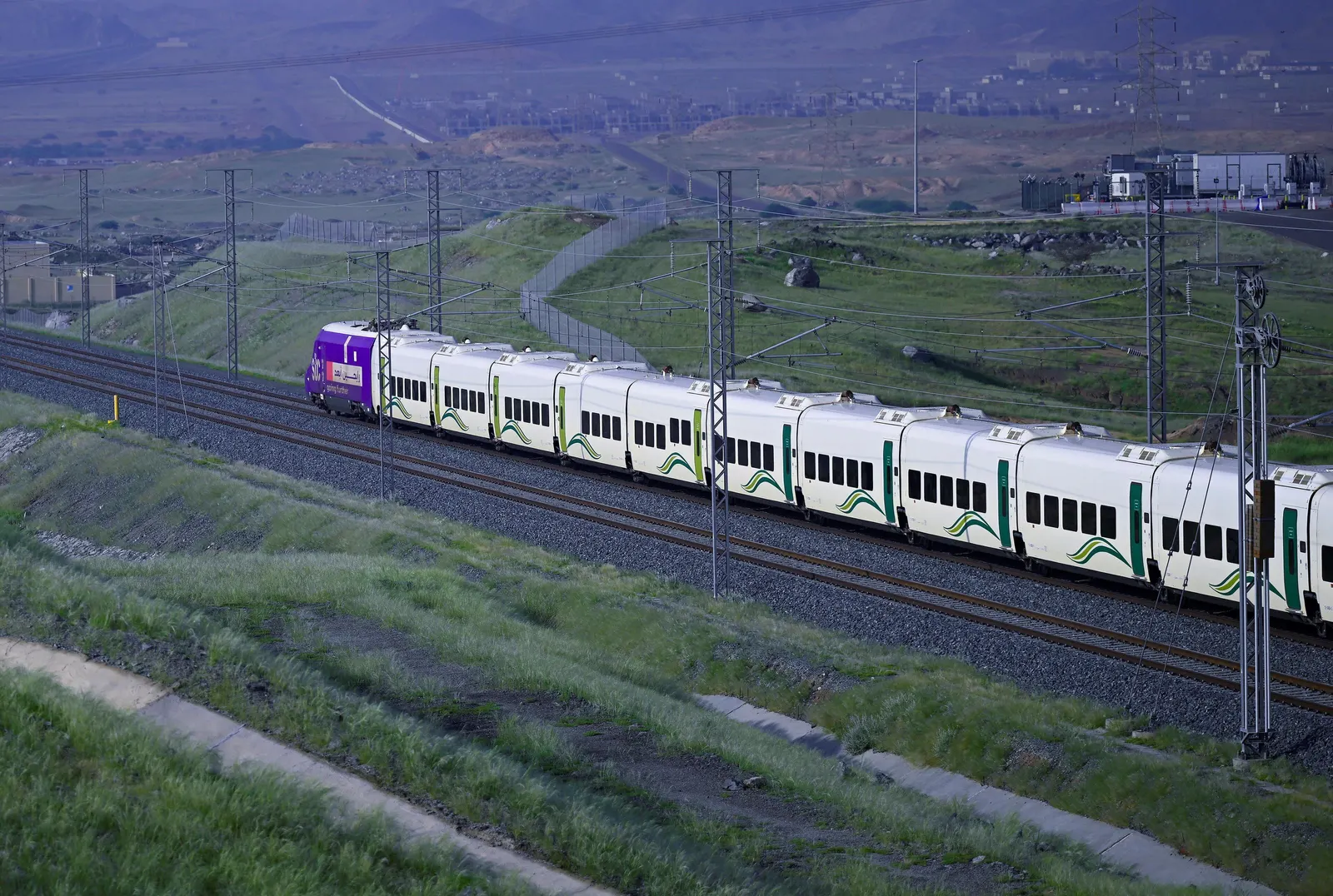
| Haramain high-speed railway | Connects Makkah, Jeddah (including the airport) and Madinah. Usually the fastest option; luggage rules apply. |
| Coach | Common for group packages. Longer journey time, with rest stops. |
| Private car | Most flexible; useful for families and elderly travelers, at higher cost. |
If traveling from Madinah to Makkah for Umrah, enter Ihram at or before Dhul Hulayfah (Abyar Ali). See Ihram Explained.
Daily practicalities
- Prayer times shape the day: shops may close and streets fill before each prayer.
- Food: both cities have a wide range of restaurants, from local to international.
- Dress: modest dress is expected everywhere.
- Photography: be discreet and avoid photographing other worshippers.
- Heat: plan walks for early morning and evening in warmer months.
- Emergencies: save local emergency numbers and the details of the U.S. Embassy and Consulates.
This guide is general information based on mainstream practice. Details vary between schools of thought, and it is not a personal religious ruling. For questions about your own situation, please consult a qualified scholar you trust.
Want hotels within an easy walk? Explore Umrah packages or read Hotel Proximity Explained.
Sources and official references
- Nusuk: official Saudi platform for Umrah permits and pilgrim services (opens in a new tab)
- Ministry of Hajj and Umrah, Kingdom of Saudi Arabia (opens in a new tab)
- U.S. Department of State: Saudi Arabia international travel information (opens in a new tab)
Rules for visas, travel and health change. Always confirm with official sources before you travel.

Umrah travel specialists
Guides from the Safa Rihla Umrah team are written for pilgrims traveling from the United States. They combine practical travel planning with mainstream explanations of the rites, note where scholarly opinions differ, and are reviewed before publication. They are general information, not personal religious rulings; please consult a qualified scholar about your own circumstances.
Keep reading
All guides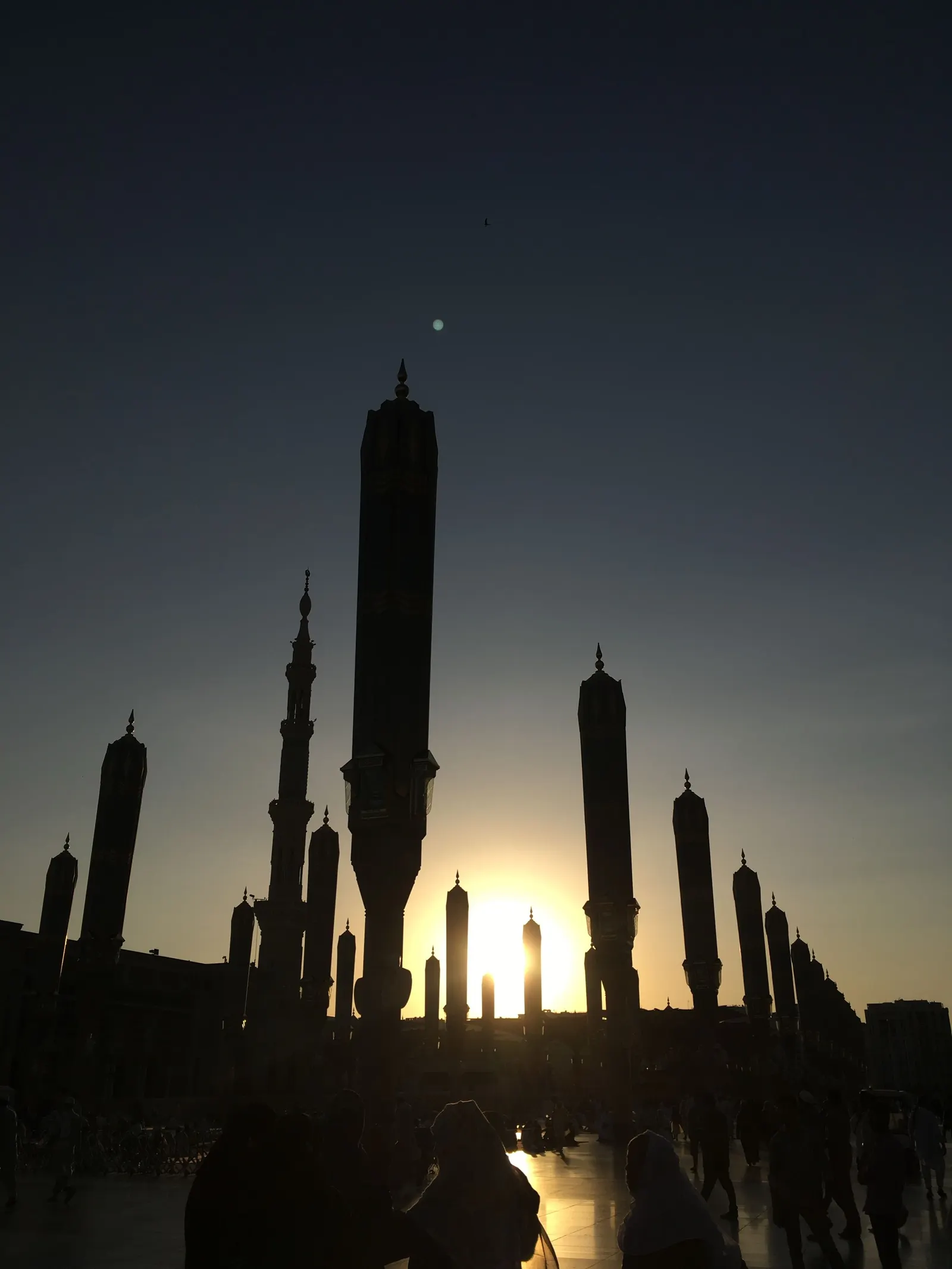
Travel Planning
Planning Umrah in Ramadan: Dates, Crowds and Practical Advice
How to plan Umrah during Ramadan from the United States: verifying the dates, what to expect in the crowds and the last ten nights, budget pressure, fasting while traveling and why no booking can be guaranteed.
6 min read
Travel Planning
Planning Your Umrah Budget for 2026–2027
What makes up the cost of Umrah from the United States and what drives it up or down: season, room occupancy, hotel proximity, flights and transport between the cities. Why a real budget must come from an itemized, dated quote.
5 min read
Travel Planning
Land-Only vs Air-and-Land Umrah Packages: What Is the Difference?
What land-only and air-inclusive Umrah packages usually include, the pros and cons of each for travelers from the United States, and a checklist for comparing quotes fairly.
5 min read