
Performing Umrah
Umrah Etiquette and Preparation Tips
Good Umrah etiquette comes down to sincerity, patience and consideration for other pilgrims: settle debts and disputes before you go, keep phones and photos discreet, never push for the Black Stone, and follow mosque staff. Here is a practical guide.
General guidance, not a religious ruling. Practice can differ between schools of thought; for your own circumstances, consult a qualified scholar.
Quick answers
- What is the most important Umrah etiquette?
- Patience and consideration for other pilgrims. The Qur’an forbids quarreling during the pilgrimage, and in practice that means not pushing, blocking walkways or harming anyone to reach the Black Stone.
- Can I take photos at the Haram?
- Discreet personal photos are common, but avoid filming other worshippers, blocking the flow of Tawaf or Sa’i, or letting your phone distract you from worship. Follow staff instructions.
- How should I prepare spiritually for Umrah?
- Renew your intention, repent sincerely, settle debts and disputes where you can, learn the rites and duas in advance, and plan time for prayer and reflection rather than only sightseeing.
Good Umrah etiquette is less about rules than about how you treat Allah’s House and the people around you. Make your intention sincere, settle your affairs before you go, and inside the holy mosques be patient, quiet and careful never to harm another pilgrim. The Qur’an says of the pilgrimage that there is to be “no obscenity, no wrongdoing and no quarreling” (2:197). The tips below turn that into practical habits.
Preparing before you travel
Intention and the heart
- Renew your intention: Umrah for Allah alone, not for photographs or status. Actions are judged by intentions (Sahih al-Bukhari 1).
- Repent sincerely and make a list of personal duas for yourself, family and others who asked you to pray for them
- Learn the rites and a few supplications in a language you understand
Your affairs at home
- Many scholars encourage pilgrims to settle debts or arrange repayment and to seek forgiveness from anyone they have wronged
- Many pilgrims write or update a will before travel
- Arrange care for dependants, pets and bills while you are away
- Pay for your journey from lawful income
Practical readiness
- Walk regularly in the weeks before you travel, in the footwear you will use
- Read How to perform Umrah and common preparation mistakes
- Settle questions about your own situation with a qualified scholar before you leave
Etiquette in Masjid al-Haram
- Entering: enter with the right foot and the supplication for entering a mosque; leave with the left foot
- Crowds: do not push, shove or use elbows, especially near the Black Stone, the Yemeni Corner and Maqam Ibrahim. ‘Umar’s practice and the scholars’ guidance are that touching the Black Stone is a sunnah only if it harms no one (Sahih al-Bukhari 1597).
- Flow: do not stop suddenly or sit in the path of Tawaf or Sa’i; move to the side to rest or make long duas
- Prayer spaces: do not reserve large areas with bags or prayer mats, and do not step over worshippers’ shoulders
- Voice: make dua at a moderate volume; group leaders reciting loudly can disturb others
- Staff: follow the directions of stewards and security, including closed gates and one-way routes, which the Ministry’s Umrah guide asks every pilgrim to follow
Phones and photography
Phones are useful for maps, permits and keeping families together. The etiquette is restraint:
- Keep it silent and out of sight during prayer
- Take a quick personal photo if you wish, then put the phone away
- Do not film other worshippers, especially women, without consent
- Never live-stream or film while walking in Tawaf or Sa’i
Dress and personal care
- After Ihram, wear clean, modest, loose clothing in both cities
- Use unscented products while in Ihram, then be considerate with strong perfumes in crowded spaces
- Carry tissues and hand sanitizer, and keep restrooms clean for the next person
Etiquette in Madinah
- Visiting the Prophet’s Mosque is not part of Umrah, but most pilgrims from the United States include Madinah in their journey
- Book the Rawdah through Nusuk and keep to your appointed time
- Send greetings of peace upon the Prophet ﷺ calmly and move on, without crowding or raising your voice
- Scholars differ on some practices at graves and historical sites; follow the guidance of the mosque authorities and ask a scholar if unsure
Money, vendors and charity
- Agree prices before a service, such as a taxi or a barber, to avoid disputes
- Be courteous with vendors even when you decline
- Give charity through reliable channels, and be cautious with unsolicited requests for money near the mosques
- Keep cards and cash in a slim, secure bag rather than a back pocket in crowds
Zamzam etiquette
- Drink from the marked dispensers and use the cups provided; do not take cups away
- Many pilgrims face the Qiblah, say Bismillah and make dua while drinking
- Do not fill large containers inside the mosque; Zamzam bottled for travel is sold through official outlets and airlines have their own rules for carrying it
In your hotel and shared rooms
- Agree on quiet hours and alarm times with roommates, especially before Fajr
- Keep shared bathrooms tidy and share the time fairly
- Be patient with elevator lines at prayer times and let older guests go first
- Keep valuables in the room safe, not in shared spaces
Traveling with others
- Agree in advance on meeting points, budgets and the pace of the trip, to avoid friction later
- Give the elderly and those with children priority in lines, elevators and shuttles
- In a group, be on time for transfers; one late person delays everyone
- Be kind to hotel staff, drivers and cleaners, many of whom are far from their own families
Our Umrah day planner helps families and groups pace the rites, and Tawaf explained covers etiquette at the Black Stone in more detail.
After you return
Many pilgrims try to keep a habit they built in Makkah or Madinah, such as praying on time or reading Qur’an daily. Share Zamzam and dates with family and neighbors, and keep the people who asked for your prayers in your duas.
This guide describes mainstream practice with references to the Qur’an, hadith collections and official Saudi guidance. Details differ between schools of thought, and it is not a religious ruling. For questions about your own situation, please ask a qualified scholar you trust.
Prefer to travel with others who share the same intentions? Explore group packages, or choose a private journey at your own pace. Get your personalized quote.
Frequently asked questions
Do I need to settle debts before Umrah?
Many scholars encourage pilgrims to repay debts or arrange repayment, return what is owed, seek forgiveness from people they have wronged and write a will before travel. Ask a scholar about your own circumstances.
Can I use my phone in the mosque?
Yes, for practical needs such as maps, a permit or staying in touch with family. Keep it silent, avoid calls during prayer and do not stop in the flow of Tawaf or Sa’i to film.
Do I need an appointment to visit the Rawdah in Madinah?
Yes. Visits to the Rawdah in the Prophet’s Mosque are booked through Nusuk, and you keep to the time on your permit. Slots are limited at busy times.
How should I treat other pilgrims in crowds?
Give way to older pilgrims and families, keep walkways clear, avoid sudden stops in Tawaf and Sa’i, and respond to pushing with patience. The Qur’an’s instruction to avoid quarreling during the pilgrimage (2:197) is the guiding principle.
How should I prepare for Umrah before departure?
Prepare in three ways. Spiritually, learn the rites and the supplications you want to make and settle debts or disputes. Physically, start walking daily a few weeks ahead, because you may walk several miles a day, and break in your footwear. Practically, check passports and visas, get the required meningococcal vaccination, pack light and share your itinerary with family. Our list of common preparation mistakes helps.
Where should I seek guidance on differing religious rulings?
Ask a qualified scholar you trust, ideally one who knows your school of thought, such as the imam of your local masjid. Our guides explain mainstream practice and note where views differ, but they are general information, not personal rulings, and no approval badge is implied. In Makkah and Madinah, official guidance desks inside the mosques can also answer questions about the rites.
How do I cope with the heat in Makkah and Madinah?
Drink water often (Zamzam is available throughout the mosques), use an umbrella and sunscreen outdoors, rest during the hottest hours and plan walking for night and early morning. The marble courtyards get very hot, so wear socks or sandals where allowed when walking outside. Older travelers and anyone with heart or kidney conditions should talk to their doctor before a summer trip, and stop at the first sign of dizziness.
Sources and official references
- Qur’an 2:197 (no obscenity, wrongdoing or quarreling during the pilgrimage) (opens in a new tab)
- Sahih al-Bukhari 1: actions are judged by intentions (opens in a new tab)
- Sahih al-Bukhari 1597: ‘Umar and the Black Stone (opens in a new tab)
- Ministry of Hajj and Umrah: Umrah guide (English, PDF) (opens in a new tab)
- Nusuk: official Saudi platform for Umrah permits and pilgrim services (opens in a new tab)
- Ministry of Hajj and Umrah, Kingdom of Saudi Arabia (opens in a new tab)
Sources checked . Rules for visas, travel and health change. Always confirm with official sources before you travel.
Preparing for your first Umrah?
A specialist can help you plan the journey around the rites, from arrival in Makkah to your days in Madinah.
Plan My Umrah
Safa Rihla Umrah Editorial Team
Umrah travel specialists
Guides from the Safa Rihla Umrah team are written for pilgrims traveling from the United States. They combine practical travel planning with mainstream explanations of the rites, note where scholarly opinions differ, and say so when a guide is still awaiting review by a qualified reviewer. They are general information, not personal religious rulings; please consult a qualified scholar about your own circumstances.
Umrah journeys for this topic
Related guides
All guides
Performing Umrah
Common Umrah Preparation Mistakes (and How to Avoid Them)
The most common Umrah mistakes happen before you leave home: no plan for the miqat, Ihram packed in checked luggage, an unchecked permit, the wrong hotel for your group, and no rest after the flight. Here is a checklist to avoid each one.
5 min read
Performing Umrah
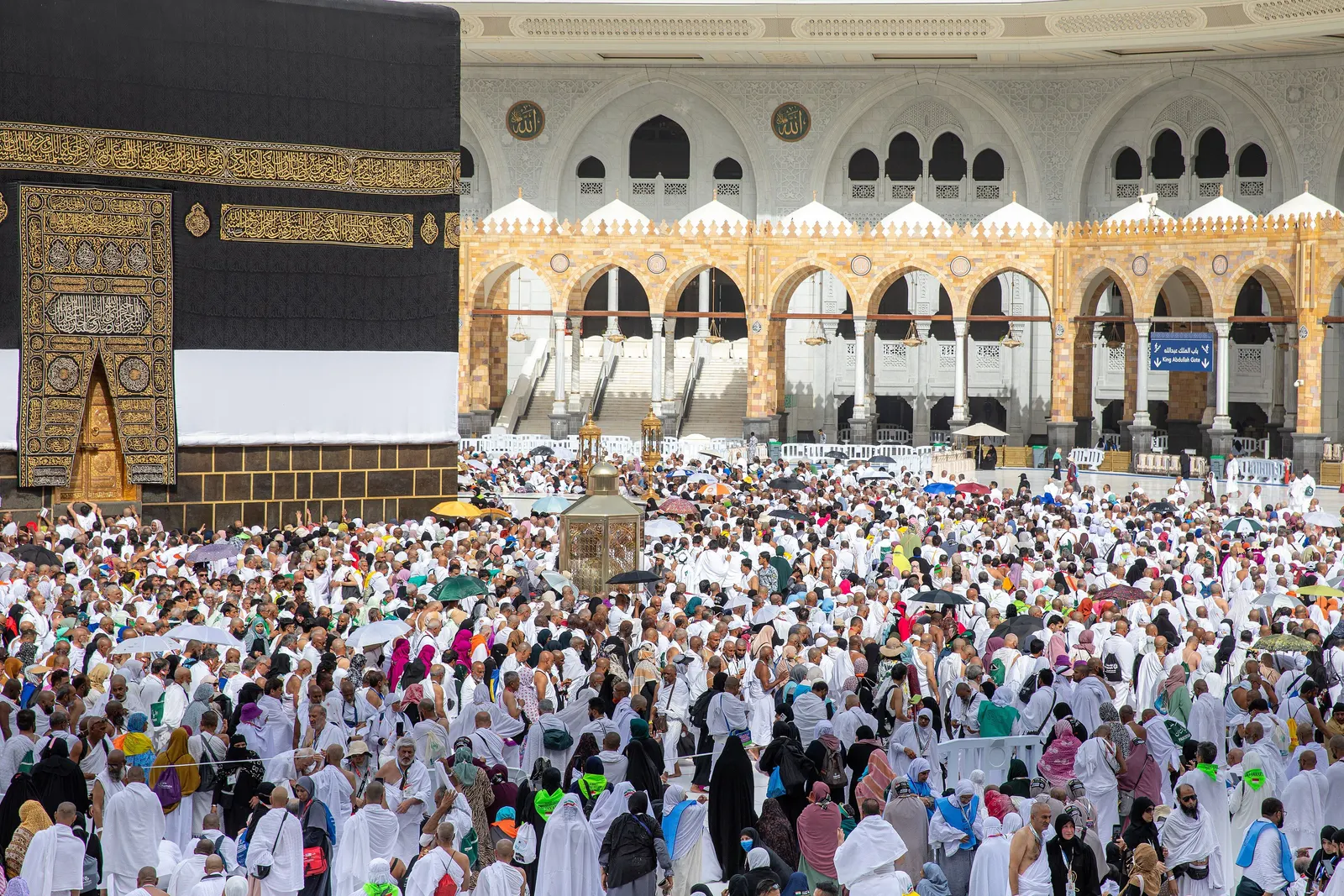
Tawaf Explained: How to Circle the Kaaba Step by Step
Tawaf is seven counter-clockwise circuits around the Kaaba, starting and ending at the Black Stone. Here is how to perform it, which floor to choose, how to keep count and what to do if prayer starts or your wudu breaks.
5 min read
Performing Umrah
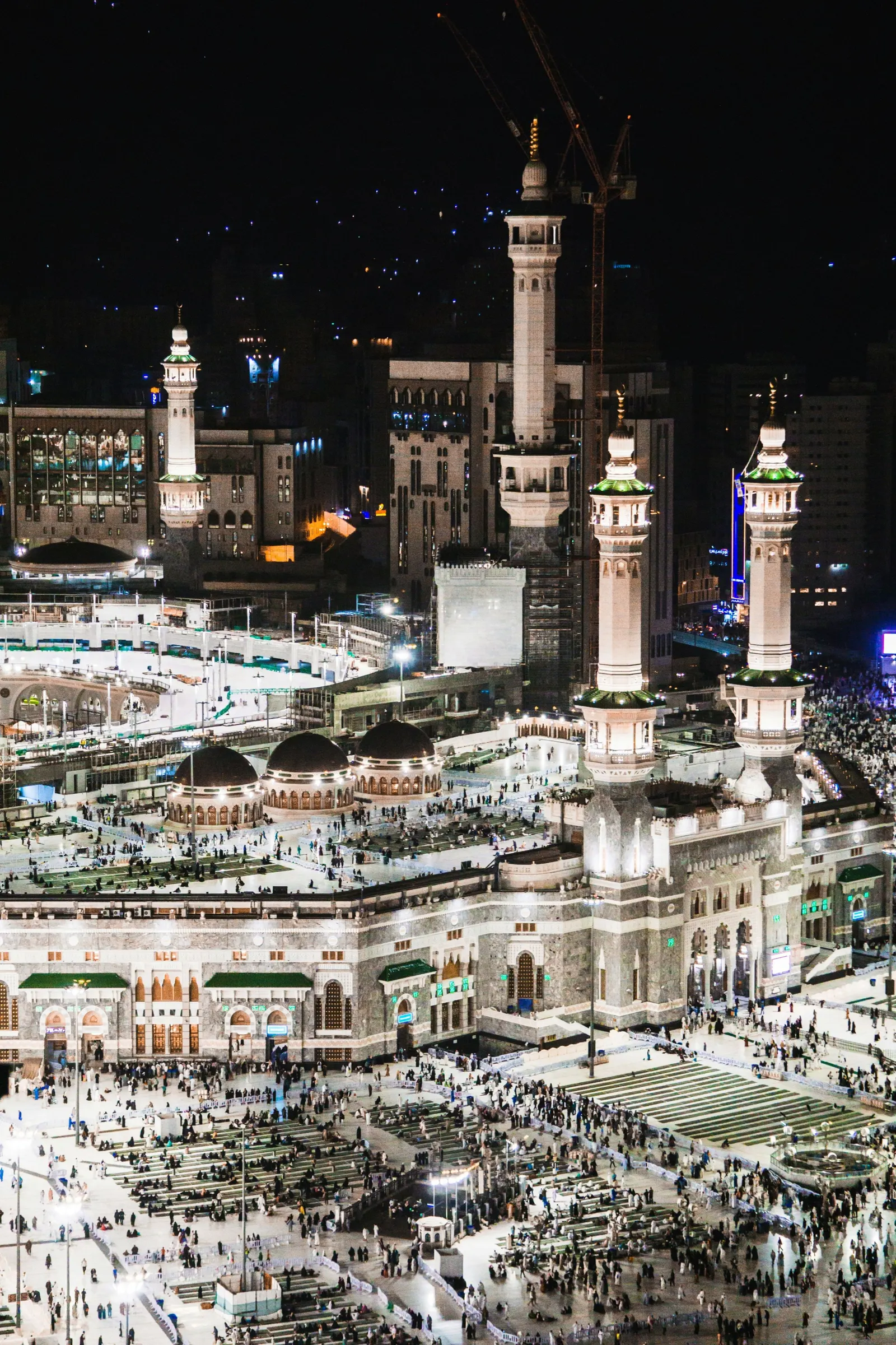
Planning Your Umrah Day: Timing, Rest and Crowds
Plan your Umrah day around three things: rest after the flight, the five daily prayers, and the heat. Here is a sample timeline from arrival to the final trim, with quieter times to aim for and what to carry.
5 min read
Performing Umrah
Ihram Explained: Rules and Practicalities for Men and Women
Ihram is the sacred state you enter with the intention for Umrah at or before the miqat. Here is what men and women wear, what is restricted, where the schools differ, and how to enter Ihram on a long flight from the United States.
5 min read
Performing Umrah
Sa’i Between Safa and Marwah: How to Perform It
Sa’i is seven legs between the hills of Safa and Marwah, starting at Safa and ending at Marwah, performed after Tawaf. Here is the route, what to say, the green-light section, floors and wheelchair lanes, and the questions pilgrims ask most.
5 min read