
Performing Umrah
Planning Your Umrah Day: Timing, Rest and Crowds
Plan your Umrah day around three things: rest after the flight, the five daily prayers, and the heat. Here is a sample timeline from arrival to the final trim, with quieter times to aim for and what to carry.
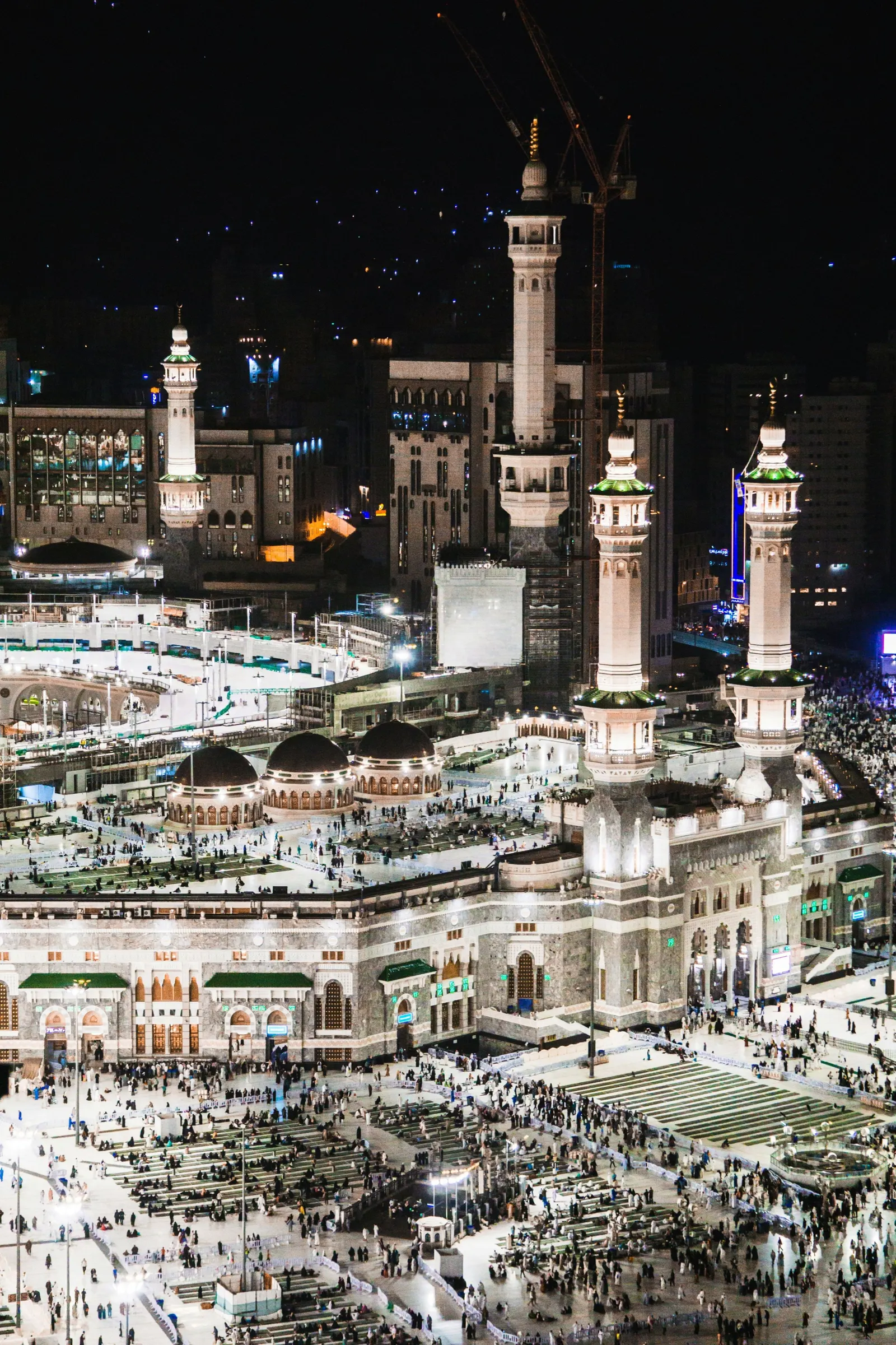
General guidance, not a religious ruling. Practice can differ between schools of thought; for your own circumstances, consult a qualified scholar.
Quick answers
- What is the best time of day to perform Umrah?
- Many pilgrims find the hours after the Fajr crowd thins, late morning in cooler months, and late night quieter than the times just before and after each prayer. Crowds vary by season, so check the live crowd guidance and ask your guide.
- How long should I allow for Umrah?
- Allow three to five hours from leaving your hotel to finishing the trim, including walking, a prayer break and rests. Tawaf and Sa’i alone often take two to three hours.
- Should I rest before starting Umrah?
- If you are tired from the flight, yes. You may rest at the hotel while in Ihram, provided you keep to its restrictions.
The best Umrah day starts with rest, not speed. Plan around three fixed points: how tired you are after the flight from the United States, the five daily prayers that fill the mosque, and the heat. With those in mind, most pilgrims allow three to five hours from leaving the hotel to finishing the trim, and choose a time when the mataf is calmer.
Before the day: what to settle in advance
- Permit: check whether your dates require an Umrah permit through Nusuk and, if a time slot applies, plan around it
- Route: know your hotel’s nearest gate and whether you walk, take a shuttle or a taxi
- Group plan: agree who keeps count, where you will meet if separated and who carries the water
- Questions: read How to perform Umrah and settle any religious questions with a scholar beforehand
How long each part takes
| Part | Typical time | What changes it |
|---|---|---|
| Hotel to the mataf | 10 to 45 minutes | Distance, shuttles, security lines, gate closures |
| Tawaf | 30 to 90 minutes | Floor chosen, crowds, pace |
| Two units of prayer and Zamzam | 10 to 20 minutes | Finding space |
| Sa’i | 45 to 90 minutes | Floor, rests, wheelchair or cart |
| Halq or taqsir | 10 to 30 minutes | Barber lines; women trim at the hotel |
| Prayer breaks | 20 to 40 minutes each | Whether a prayer falls in your window |
These are planning ranges, not promises. Ramadan, school holidays and Fridays can double them.
Choosing a time
Times that are often busier
- The half hour before and after each obligatory prayer
- Friday from mid-morning until after the Friday prayer
- Evenings and nights in Ramadan, especially the last ten nights
- Weekends and holiday periods for pilgrims living in the region
Times many pilgrims find calmer
- Mid-morning, after the post-Fajr crowd thins, in cooler months
- Late night, after the crowds following ‘Isha’ have eased
- Mid-afternoon on weekdays, though it is hottest then on the open floors
Crowd patterns change with the season. The Ministry of Hajj and Umrah’s Umrah guide advises checking crowd density before you go and walking on the designated tracks.
A sample day after arriving from the USA
- Arrive and check in. You are in Ihram from the flight. Eat something and keep hydrated.
- Sleep. Three to six hours makes a real difference after an overnight flight.
- Pray at the hotel or nearby if a prayer time falls before you are ready.
- Leave after a prayer once the crowd has thinned, with wudu made and shoes in a bag.
- Tawaf, prayer and Zamzam. Choose your floor based on the least mobile person; see Tawaf explained.
- Short rest, then Sa’i. Sit, drink water and use the restroom before walking to Safa. Keep the break short; see Sa’i between Safa and Marwah.
- Halq or taqsir near Marwah, or at the hotel for women.
- Return, shower and rest. The restrictions of Ihram are lifted.
If you arrive at an awkward time
| Arrival in Makkah | A sensible plan |
|---|---|
| Early morning | Sleep until late morning, pray Dhuhr, then perform Umrah after the post-Dhuhr crowd eases or after ‘Asr in cooler months |
| Midday or afternoon | Rest through the heat; begin after Maghrib or ‘Isha’ once crowds thin |
| Evening | Eat and rest a few hours; many pilgrims perform Umrah late at night |
| Late night | If you are rested, the small hours can be calm; otherwise sleep and start after Fajr |
These are suggestions, not rules. Your permit time, if one applies, comes first.
Planning the day in Ramadan
In Ramadan the rhythm of the day changes. The mosque is busiest around iftar, ‘Isha’ and the night prayers, and in the last ten nights it is crowded almost around the clock. Many fasting pilgrims perform Umrah after iftar once they have eaten and rested, or in the hours after Fajr. Keep hydrated between iftar and suhur, and do not attempt Tawaf and Sa’i in the afternoon heat while fasting if you feel weak. Our Ramadan planning guide has more detail.
After Umrah: the rest of your stay
Once Umrah is complete, the remaining days are for prayer, reflection and rest. Pace them: one or two prayers in the mosque each day, with others at the hotel or a nearby prayer area, is enough for many families. Our etiquette and preparation tips cover making the most of this time.
What to carry
- A small bag for shoes, and a slim cross-body bag for essentials
- Water bottle to refill with Zamzam, and a snack for children or diabetic travelers
- Phone with a charged power bank; your Nusuk permit if one applies
- Hotel card with the name and nearest gate, and ID for every family member
- Medication you may need in the next five hours
- A prayer counter or simple tally method
Heat and pacing
Makkah is hot for most of the year, and upper floors and the roof can be very hot in daylight. Walk in the cooler hours, drink regularly, use an umbrella outdoors and stop at the first sign of dizziness or headache. The CDC’s Saudi Arabia page has general heat and health advice.
Planning with family
With children or older relatives, plan the day around the person who tires first. Upper floors, a wheelchair or a booked electric cart (where available, per the Pilgrim Experience Program) and a hotel within an easy walk make a long day manageable. Our preparation mistakes guide lists what families most often overlook.
A hotel close to your gate gives you the freedom to rest and return at calmer hours. Browse our hotels, see private packages built around your pace, and get your personalized quote.
Frequently asked questions
Can I break Tawaf or Sa’i for prayer?
Yes. When the congregational prayer starts, pilgrims join it and then continue from where they stopped. See Tawaf explained for where scholars differ on the details.
Is Friday a good day to perform Umrah?
Friday is one of the busiest days at Masjid al-Haram, especially from mid-morning until after the Friday prayer. If you have a choice, avoid that window.
Do I need to time my Umrah to a Nusuk permit slot?
When an Umrah permit with a time slot is required, keep to it. Requirements change by season, so check Nusuk before you travel and again after arrival.
How do I plan the day with children or older parents?
Start rested, use an upper floor for Tawaf, take water breaks and plan a hotel rest between Tawaf and Sa’i only if the break can stay short. See Umrah with children and Umrah with elderly parents.
What is Tawaf?
Tawaf is walking seven times around the Kaaba counterclockwise, starting and ending in line with the Black Stone, while making supplication and remembrance. You can perform it on the ground level near the Kaaba or on the upper floors, which are longer but less crowded and include routes for wheelchair users. Our guide to Tawaf covers the conditions and practical tips; ask a qualified scholar about questions of ritual validity.
Where can first-time pilgrims learn the steps of Umrah?
Start with our plain-language step-by-step guide and the Umrah glossary, then attend a class or ask the imam at your local masjid, who can also answer questions specific to your school of thought. Many pilgrims watch a walkthrough of the mosque layout, too, so the gates and floors feel familiar on arrival. Our guides are general information, not personal rulings.
Can I request flexible rest time in my itinerary?
Yes. We can leave the day after arrival free so you perform Umrah rested, keep afternoons open in the heat, add a buffer night before the flight home, and leave ziyarat optional. Rest time is simply unscheduled time in your itinerary, so it adds hotel nights rather than a separate charge. Read flexible Umrah itineraries.
What should I consider about crowd levels?
Crowds are heaviest in Ramadan, above all the last ten nights, and around Fridays, school holidays and the main prayer times every day. Expect longer walks to an open entrance, a wait for elevators and slower Tawaf. Performing Umrah late at night or mid-morning, using the upper floors, and keeping a meeting point help. Our guide to planning your Umrah day suggests quieter times.
Can I perform more than one Umrah on the same trip?
Scholars differ on this. Some encourage repeating Umrah, going out to a miqat such as Masjid Aisha (Tan’eem) for a fresh Ihram, while others recommend spending the time in Tawaf and prayer instead. Nusuk may also limit how often permits can be booked. Please ask a qualified scholar about your own situation before you plan.
Sources and official references
- Ministry of Hajj and Umrah: Umrah guide (English, PDF) (opens in a new tab)
- Nusuk: official Saudi platform for Umrah permits and pilgrim services (opens in a new tab)
- Ministry of Hajj and Umrah, Kingdom of Saudi Arabia (opens in a new tab)
- Pilgrim Experience Program: smart mobility services at the Two Holy Mosques (March 2026) (opens in a new tab)
- CDC Travelers’ Health: Saudi Arabia (opens in a new tab)
Sources checked . Rules for visas, travel and health change. Always confirm with official sources before you travel.
Preparing for your first Umrah?
A specialist can help you plan the journey around the rites, from arrival in Makkah to your days in Madinah.
Plan My Umrah
Safa Rihla Umrah Editorial Team
Umrah travel specialists
Guides from the Safa Rihla Umrah team are written for pilgrims traveling from the United States. They combine practical travel planning with mainstream explanations of the rites, note where scholarly opinions differ, and say so when a guide is still awaiting review by a qualified reviewer. They are general information, not personal religious rulings; please consult a qualified scholar about your own circumstances.
Related guides
All guides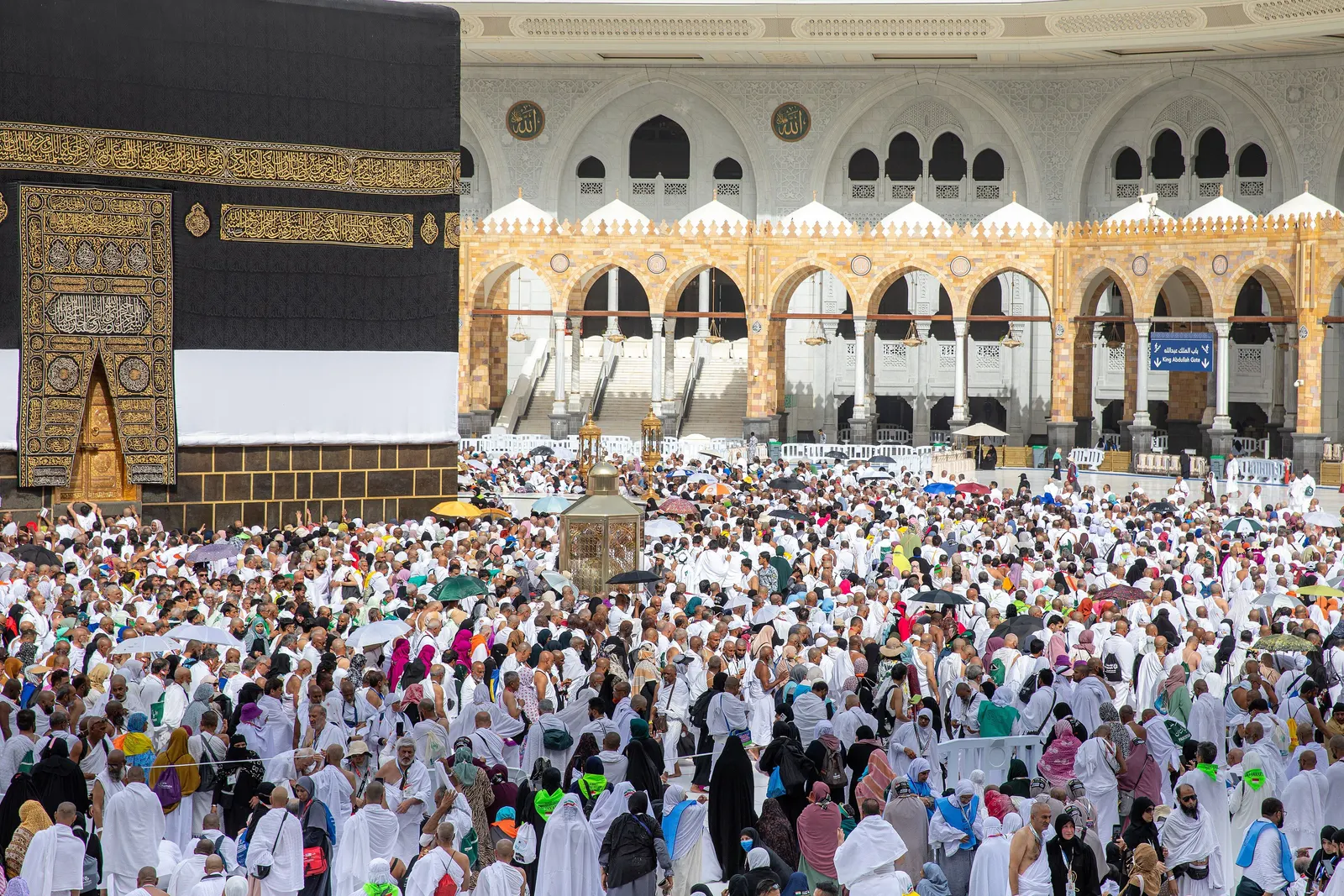
Performing Umrah
Tawaf Explained: How to Circle the Kaaba Step by Step
Tawaf is seven counter-clockwise circuits around the Kaaba, starting and ending at the Black Stone. Here is how to perform it, which floor to choose, how to keep count and what to do if prayer starts or your wudu breaks.
5 min read
Performing Umrah
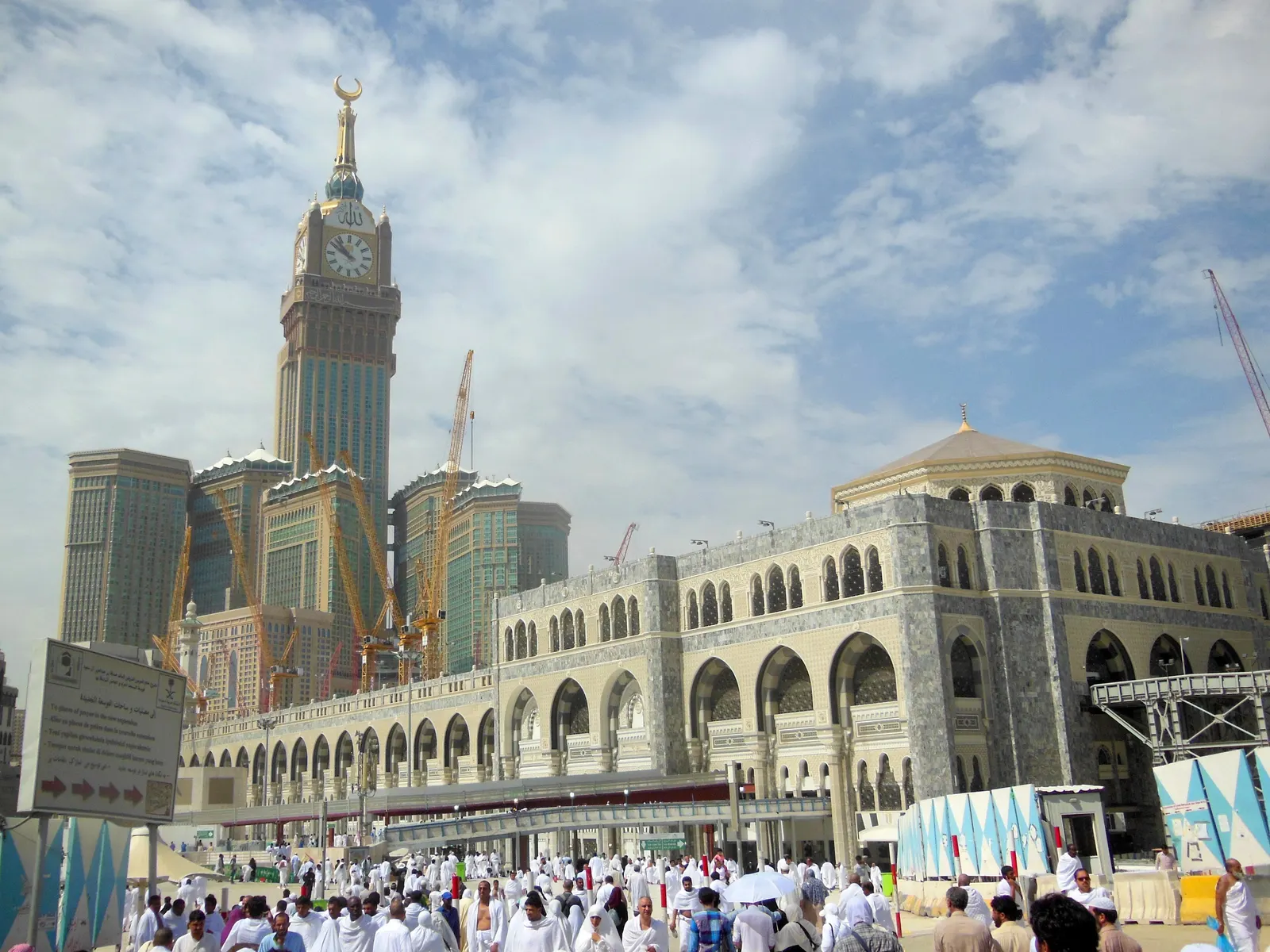
Sa’i Between Safa and Marwah: How to Perform It
Sa’i is seven legs between the hills of Safa and Marwah, starting at Safa and ending at Marwah, performed after Tawaf. Here is the route, what to say, the green-light section, floors and wheelchair lanes, and the questions pilgrims ask most.
5 min read
Performing Umrah
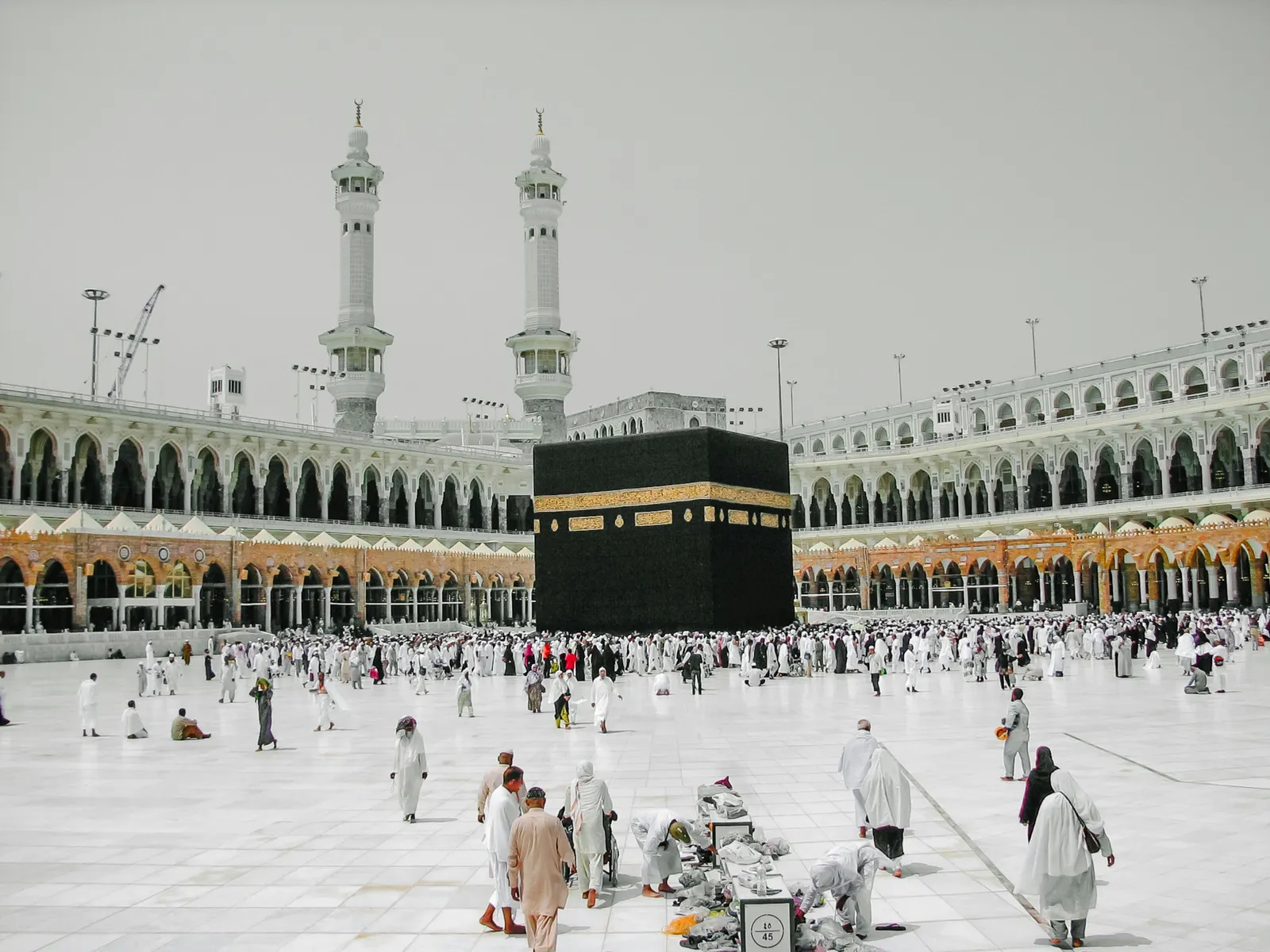
Common Umrah Preparation Mistakes (and How to Avoid Them)
The most common Umrah mistakes happen before you leave home: no plan for the miqat, Ihram packed in checked luggage, an unchecked permit, the wrong hotel for your group, and no rest after the flight. Here is a checklist to avoid each one.
5 min read
Performing Umrah
Ihram Explained: Rules and Practicalities for Men and Women
Ihram is the sacred state you enter with the intention for Umrah at or before the miqat. Here is what men and women wear, what is restricted, where the schools differ, and how to enter Ihram on a long flight from the United States.
5 min read
Performing Umrah
Umrah Etiquette and Preparation Tips
Good Umrah etiquette comes down to sincerity, patience and consideration for other pilgrims: settle debts and disputes before you go, keep phones and photos discreet, never push for the Black Stone, and follow mosque staff. Here is a practical guide.
5 min read