
Family and special-needs travel
Umrah with Children: Planning, Safety and the Rites
Children can come on Umrah and take part in the rites with their parents’ help. Plan for passports and permits early, choose a close hotel for naps, protect children in crowds with ID and meeting points, and ask a scholar about the details of a child’s Ihram.
Part of: Family and Special Needs Umrah: A Complete Planning Guide
General guidance, not a religious ruling. Practice can differ between schools of thought; for your own circumstances, consult a qualified scholar.
Quick answers
- Can children perform Umrah?
- Yes. A child’s Umrah is valid in mainstream practice, and parents help young children through the rites. A hadith in Sahih Muslim describes a woman asking about her child’s Hajj and the Prophet ﷺ saying yes, and that she would have a reward. Scholars hold that a child’s Hajj does not replace the obligatory Hajj after puberty, and many apply the same reasoning to Umrah.
- Is there a minimum age for children at the Haram?
- Children may accompany their families to the holy mosques. Saudi authorities have at times set minimum ages for Umrah and Rawdah permits, so check the current rules for children on Nusuk before you book.
- How do I keep children safe in the crowds?
- Give each child an ID card or bracelet with a parent’s phone number and the hotel name, dress them in a bright color, agree a meeting point outside a numbered gate and teach them to go to mosque staff if separated.
- Can I bring a stroller?
- A light, folding stroller is useful between the hotel and the mosque, but strollers may be restricted in some areas at busy times. A baby carrier is easier inside.
Children can come on Umrah, and many families find it one of their most treasured journeys. Plan four things carefully: passports, visas and permits for each child; a hotel close enough for naps and meals; safety in crowds; and a clear understanding of how a child takes part in the rites. On the last point, mainstream practice is generous: a hadith in Sahih Muslim 1336 tells of a woman who lifted up a child and asked whether he could perform Hajj, and the Prophet ﷺ answered yes, and that she would have a reward.
For planning the whole family’s trip, start with our family and special needs Umrah guide.
Documents and permits
- Passports: every child needs their own U.S. passport. Applications for children under 16 have their own rules involving both parents; see the State Department passport pages and allow plenty of time.
- Visas: each child needs their own Saudi visa; apply through the Saudi eVisa portal or with our help.
- Permits: Umrah permits and Rawdah appointments are issued through Nusuk. In 2022 a Ministry official said children could accompany their families into the holy mosques with no age requirement, while permits had a minimum age (reported by Ajel). Rules have changed since, so check the current position on Nusuk for your dates.
- Traveling with one parent: carry a copy of the child’s birth certificate and, where the other parent is not traveling, a signed consent letter. Airlines and border officers may ask.
Choosing when to go
School breaks are convenient but busy. If you can, avoid the peak of Ramadan with young children; the crowds and late nights are hard on them. Cooler months make walking with a stroller much easier. See our guide to the best time of year for Umrah.
Flights with babies and young children
- Choose flight times that match sleep where possible, and a connection long enough for a stroller and diaper change
- Request a bassinet for infants; airlines confirm these, so they are never guaranteed
- Carry formula, baby food and medicines in the cabin; TSA allows reasonable quantities for children, screened separately
- Pack a change of clothes for each child and for yourself
Hotels, rooms and naps
A close hotel is the single best investment for a family. It lets you return for naps, meals and changes between prayers. Confirm the room type, number of beds and any cot in writing before paying; see family rooms and transport and our hotel profiles.
Safety in crowds
- ID for every child: a bracelet or card with a parent’s phone number, the hotel name and its nearest gate
- Bright, matching colors so you can spot each other
- A meeting point outside a numbered gate, agreed before every visit
- Teach older children to stop where they are and go to a steward or security officer if separated
- Hold hands or use a carrier in the mataf and at gates at prayer times
- Photograph your children each morning so you can show what they are wearing
How children take part in the rites
This section describes mainstream practice; details differ between schools, so please ask a scholar.
- Intention: a child old enough to understand makes their own intention; parents make it for younger children
- Ihram: boys wear Ihram garments and girls wear modest clothing. Many scholars say parents may choose not to put a very young child in Ihram, which avoids worry about restrictions
- Tawaf and Sa’i: parents carry or hold young children. Upper floors are often easier with a stroller where it is allowed; see Tawaf explained
- Trimming: a small trim completes the child’s Umrah
- Later obligation: scholars hold that a child’s Hajj does not replace the obligatory Hajj after puberty, and many apply the same reasoning to Umrah; ask a scholar if this affects your plans
Health and heat
Children dehydrate quickly. Carry water and snacks, use shade and avoid midday walks in warmer months. Check routine and travel vaccinations with your pediatrician against the CDC’s Saudi Arabia page, and pack children’s pain relief, rehydration salts and any regular medicines.
Day-bag checklist
- Water, snacks and a refillable bottle for Zamzam
- Diapers, wipes, a changing mat and spare clothes
- ID card for each child and a photo of them that morning
- Small toy or book, and a light blanket for air-conditioned halls
- Shoe bag and a power bank
More ideas are in our packing checklist.
Safety, insurance and the current advisory
Before you book, read the State Department’s current travel advisory for Saudi Arabia. When this guide was checked on October 21, 2026, it was Level 3, “Reconsider travel”; read the reasons it gives and check it again before you pay and before you fly. Enroll every traveler in STEP so the U.S. embassy can reach you, and buy travel insurance that covers medical care and evacuation. The State Department notes that most U.S. health plans, including Medicare, do not cover care abroad and that hospitals often ask for payment up front.
This guide is practical planning information. Where it mentions religious practice, it describes mainstream views and notes where scholars differ; it is not a religious ruling, medical advice or a statement of official eligibility. Please consult a qualified scholar, your doctor and the official Saudi portals for your own situation.
Traveling with little ones? Tell us their ages and we will suggest rooms, flights and a pace that work for them. See family packages or get your personalized quote.
Frequently asked questions
Does a child need to wear Ihram?
If a child is performing Umrah, boys wear Ihram garments and girls wear modest clothing, and parents make the intention for children too young to do so. Many scholars note that parents may choose not to place a very young child in Ihram at all, and the child can still come into the mosque. Details differ between schools, so ask a scholar.
What about diapers and purity during Tawaf?
Scholars discuss purity for children in Tawaf differently. Change the diaper just before Tawaf, carry a spare, and ask a scholar about your own case.
Do babies need their own passport and visa?
Yes. Every child needs their own U.S. passport, and for children under 16 the application rules involving both parents apply; see the State Department passport pages. Each child also needs their own Saudi visa.
Can I book a bassinet on the flight?
Many long-haul airlines offer bassinets for infants on bulkhead rows, subject to weight limits and availability. We request them when booking but airlines confirm them, so they are not guaranteed.
What if my child gets lost?
Go to the nearest steward or security officer immediately and give the meeting gate and hotel name. This is why every child should carry ID with your phone number. Agree on the plan with older children before you go.
What should families traveling with children consider?
Choose a hotel close to the mosque so you can return for naps and meals, plan one main activity a day, and carry water, snacks and an ID card with your phone number for each child. In crowded areas, agree a meeting point in case you are separated. Read our guide to Umrah with children, and the family planning guide for travel with several generations.
Can children accompany their parents on Umrah?
Yes. Children of any age can travel with their parents, and each child needs their own passport, visa and Nusuk registration. Children can perform Umrah with a parent’s help; whether a child’s Umrah counts in the same way as an adult’s is a question for a qualified scholar. In the mosques, keep young children close and give each one a card with your phone number and hotel name. See Umrah with children.
What should I consider when traveling with an infant?
Book a bassinet seat with the airline early, check the fare’s rules for a lap infant versus a seat, and confirm whether a crib is available at each hotel. Bring a compact stroller or a carrier, since strollers can be awkward in the busiest areas of the mosques, and enough formula, diapers and medicines for the first days. Choose a hotel near the Haram so one parent can return quickly. See Umrah with children.
Does a child traveling with one parent need a consent letter?
Carry one. A signed letter of consent from the other parent, with a copy of their ID, and the child’s birth certificate can avoid questions from airlines and immigration, and some airlines ask for it. Check the current Saudi visa conditions for minors and your airline’s rules before you travel. A notarized letter is the safest choice.
Sources and official references
- Nusuk: official Saudi platform for Umrah permits and pilgrim services (opens in a new tab)
- Ajel (March 2022): Ministry of Hajj official on children at the holy mosques and permit age (opens in a new tab)
- Sahih Muslim 1336: the woman who lifted up a child and asked about his Hajj (opens in a new tab)
- U.S. Department of State: U.S. passports (opens in a new tab)
- Saudi eVisa portal (opens in a new tab)
- U.S. Department of State: Saudi Arabia travel advisory and country information (opens in a new tab)
- Smart Traveler Enrollment Program (STEP) (opens in a new tab)
- CDC Travelers’ Health: Saudi Arabia (opens in a new tab)
- Transportation Security Administration (TSA) (opens in a new tab)
Sources checked . Rules for visas, travel and health change. Always confirm with official sources before you travel.
Traveling with family or someone who needs extra help?
Share who is traveling and what support they need. We will tell you plainly what we can arrange and what still has to be confirmed with hotels and transport providers.
Plan a family journey
Safa Rihla Umrah Editorial Team
Umrah travel specialists
Guides from the Safa Rihla Umrah team are written for pilgrims traveling from the United States. They combine practical travel planning with mainstream explanations of the rites, note where scholarly opinions differ, and say so when a guide is still awaiting review by a qualified reviewer. They are general information, not personal religious rulings; please consult a qualified scholar about your own circumstances.
Related guides
All guides
Travel Planning
Family Umrah Rooms and Transport: What to Book
For a family Umrah, confirm in writing the room type, number of beds, maximum occupancy and any cot, then book transport sized for your family and luggage: a private car or van for airport transfers and, depending on needs, the Haramain train or a car between Makkah and Madinah.
5 min read
Family & Senior Travel
Umrah with Elderly Parents: A Practical Planning Guide
To plan Umrah with elderly parents, choose a hotel with a short, level route to the mosque, arrange airport and mosque mobility help early, pace the trip with rest days, plan for heat and medication, and settle medical and religious questions before you go.
5 min read
Performing Umrah
Tawaf Explained: How to Circle the Kaaba Step by Step
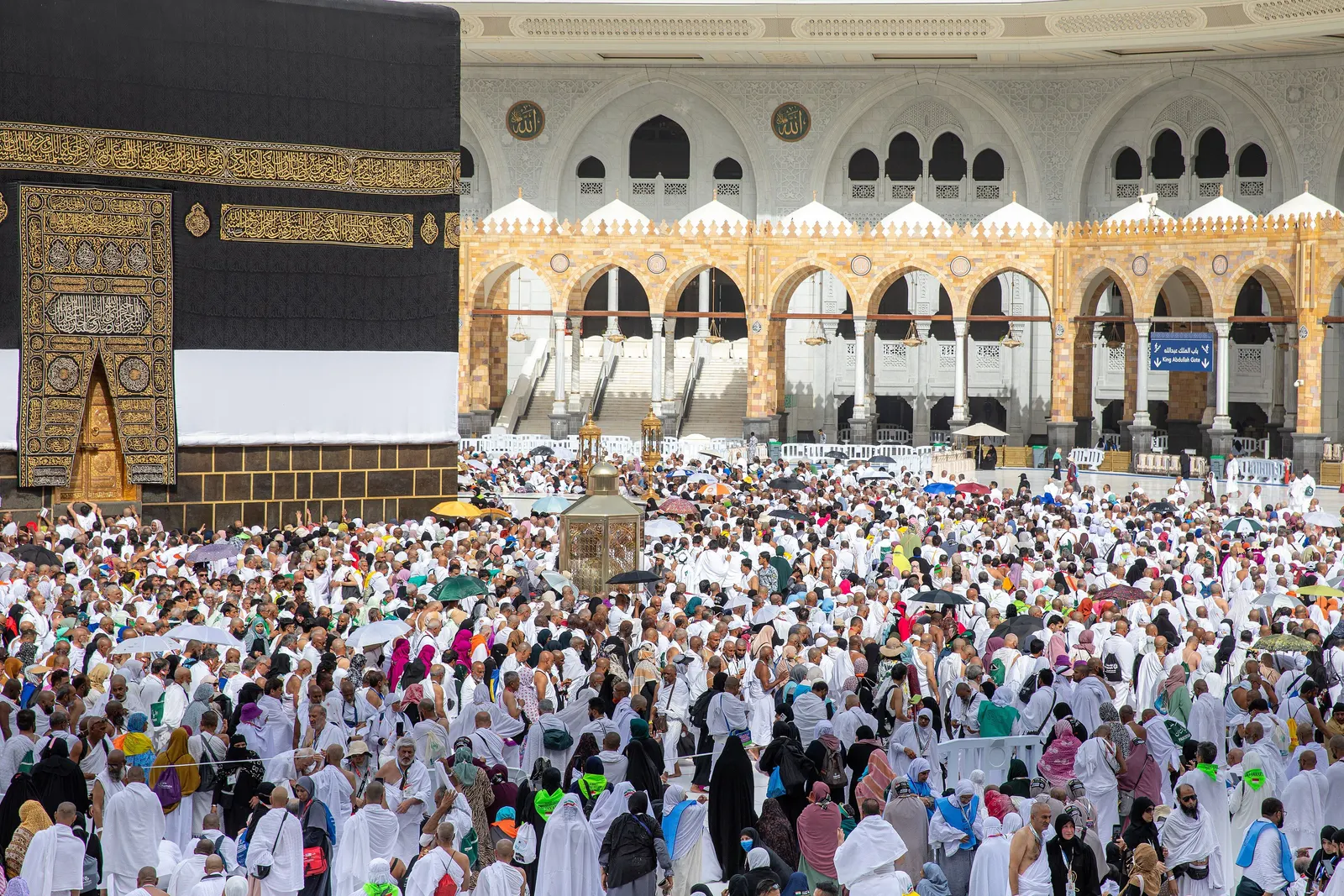
Tawaf is seven counter-clockwise circuits around the Kaaba, starting and ending at the Black Stone. Here is how to perform it, which floor to choose, how to keep count and what to do if prayer starts or your wudu breaks.
5 min read
Family & Senior Travel
Umrah Accessibility Planning: Wheelchairs, Carts and Support
Accessible Umrah planning means arranging help at every handover: airline wheelchair assistance, an accessible transfer, a hotel with a level route, and a plan for Tawaf and Sa’i using your own chair or the mosque’s manual and electric carts, which are official services that depend on demand.
5 min read
Performing Umrah
Umrah for Women from the USA: Travel Rules and Practical Tips
Saudi rules have relaxed for women traveling for Umrah, and the Ministry of Hajj and Umrah has said women may perform Umrah without a mahram. Eligibility details can change, so check the official portals, consider a scholar’s view on traveling without a mahram, and plan dress, menstruation and safety ahead.
5 min read
Travel Planning
Large Group Umrah Planning: Families, Masjids and Communities
A large group Umrah needs one organizer, an early start, a clear rooming list, fixed payment and cancellation terms for each traveler, transport sized for the group, and a plan for the slowest members. Here is a step-by-step guide for extended families, masjids and community groups.
5 min read