
Family and special-needs travel
Umrah Accessibility Planning: Wheelchairs, Carts and Support
Accessible Umrah planning means arranging help at every handover: airline wheelchair assistance, an accessible transfer, a hotel with a level route, and a plan for Tawaf and Sa’i using your own chair or the mosque’s manual and electric carts, which are official services that depend on demand.
Part of: Family and Special Needs Umrah: A Complete Planning Guide
General guidance, not a religious ruling. Practice can differ between schools of thought; for your own circumstances, consult a qualified scholar.
Quick answers
- Are wheelchairs available at Masjid al-Haram?
- Official sources describe more than 6,000 manual carts across the mosque and its courtyards at peak periods, and electric carts that can be booked electronically. They depend on demand and are not guaranteed, so plan ahead.
- Can I bring my own wheelchair?
- Yes. Airlines generally carry mobility aids, and a lightweight folding chair gives independence between the hotel and the mosque. Tell the airline about it, and any batteries, when you book.
- Where do wheelchair users perform Tawaf and Sa’i?
- On designated routes, typically on the upper levels for Tawaf, and in a separated lane along the Mas‘a for Sa’i. Follow stewards, as routes change with crowds and works.
- Can you guarantee mosque wheelchair or cart service?
- No. These services are run by the Saudi authorities and depend on demand. We plan around them and suggest a backup.
An accessible Umrah depends on planning every handover: airline assistance, the airport transfer, the hotel route, and Tawaf and Sa’i. At Masjid al-Haram, the Saudi authorities provide manual carts and bookable electric carts, but these depend on demand and nobody can guarantee them. The safest plan uses them where available and keeps a backup, such as your own lightweight chair.
This guide focuses on mobility and access. For planning the whole family’s trip, see our family and special needs Umrah guide.
What the mosque provides
According to a March 2026 update from the Pilgrim Experience Program, a Saudi Vision 2030 program:
- More than 6,000 manual carts are deployed across the Grand Mosque and its courtyards, particularly at peak periods such as Ramadan
- About 400 electric carts operate, especially in peak seasons, and can be booked electronically through a unified mobility platform
The Ministry of Hajj and Umrah’s Umrah guide marks manual wheelchair distribution points and access points for people with special needs on its map, and designates the Ajyad bridge for wheelchair access to the levels provided. Numbers, booking methods and fees change, so check on arrival.
Plan each handover
| Stage | What to arrange | When |
|---|---|---|
| U.S. departure airport | Wheelchair assistance to the gate; boarding help | At booking; reconfirm 48 hours before |
| Security | Contact TSA about screening for travelers with disabilities | Before you fly |
| Connection | Assistance between gates; enough connection time | At booking |
| Arrival in Jeddah or Madinah | Assistance through immigration and baggage | At booking |
| Transfer | Private car with room for a folded chair, or an accessible vehicle | With your package |
| Hotel | Level route, elevators, accessible room features confirmed in writing | Before paying |
| Tawaf and Sa’i | Own chair, mosque cart or electric cart; who pushes | Before travel; on arrival |
Bringing your own wheelchair
- Tell the airline at booking, including chair weight, dimensions and any battery type
- Label it with your name, phone number and hotel, and remove detachable parts such as cushions
- A lightweight folding chair fits most car trunks and hotel elevators
- Pack a small repair kit and know how to fold it quickly
Tawaf for wheelchair users
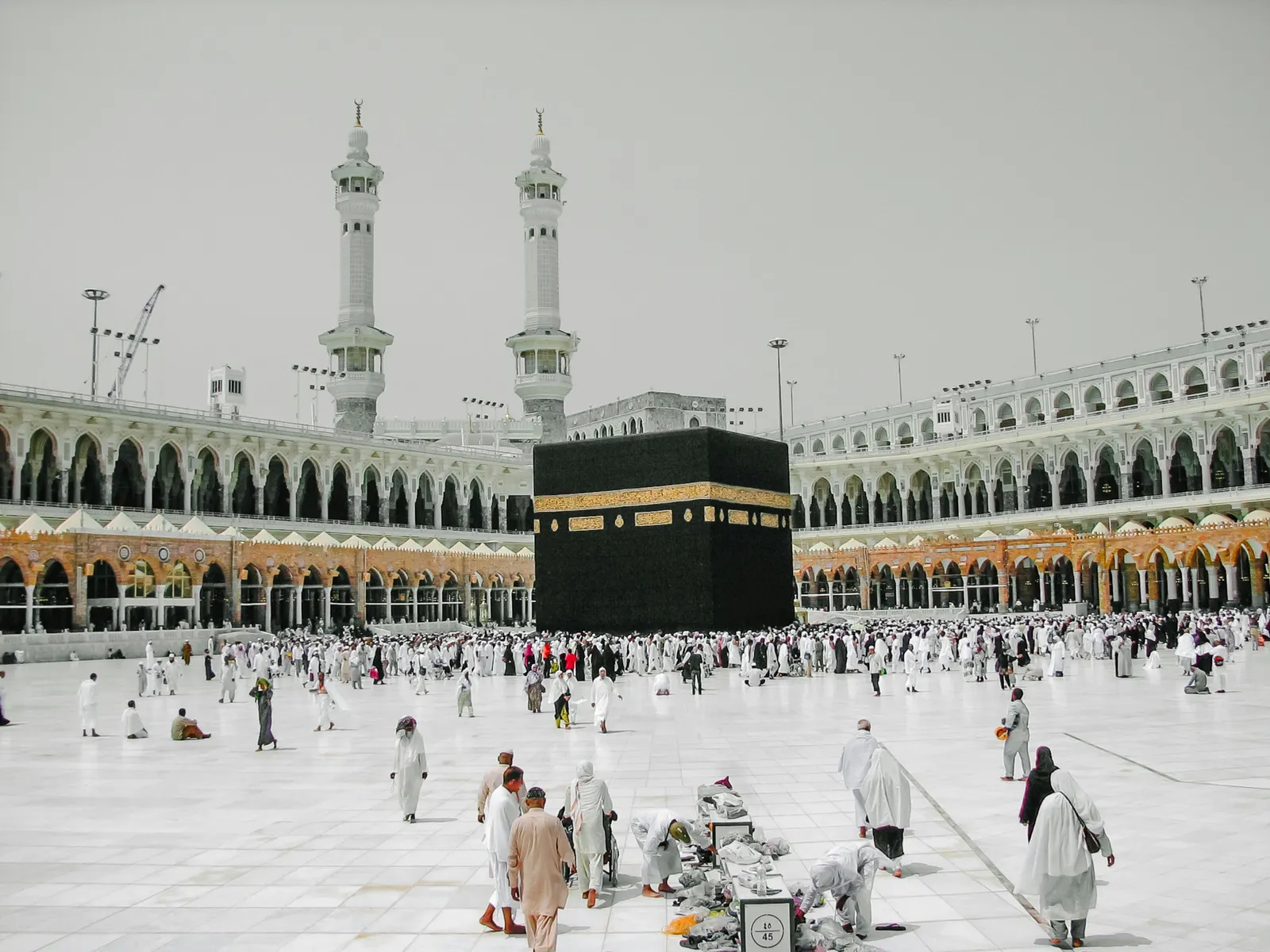
Wheelchair users perform Tawaf on designated routes, usually on the upper levels, where each circuit is longer but the flow is steadier. Follow the green lights that mark the Black Stone line and the stewards’ directions. Allow much more time than for the ground floor. See Tawaf explained.
Sa’i for wheelchair users
A separated lane for wheelchairs and carts runs the length of the Mas‘a between Safa and Marwah. The seven legs total about three kilometers, which is a long push for a family member. See Sa’i between Safa and Marwah.
Other access needs
Low vision or hearing
Travel with a companion who knows the routes, and carry a card with your hotel, gate and needs written in English and Arabic.
Cognitive or sensory needs
Crowds and noise peak around prayer times. Plan visits at calmer hours, use ear defenders where helpful and agree a quiet place to pause.
Medical devices and medicines
Carry prescriptions and a doctor’s letter for devices, and keep power banks charged for anything that needs it.
Religious considerations
Performing Tawaf and Sa’i seated or carried is widely accepted; the Prophet ﷺ performed Tawaf mounted (Sahih al-Bukhari 1612) and told Umm Salamah, who was unwell, to perform it riding (Sahih al-Bukhari 1619). Questions about purity, prayer or delegating rites depend on your circumstances; ask a qualified scholar.
In Madinah
The Prophet’s Mosque is on level ground with wide courtyards, which many wheelchair users find easier than Makkah. Visits to the Rawdah are booked through Nusuk; ask about access arrangements when you book, as they change. Plan the same handovers for the train or car journey between the cities.
What to tell us when you inquire
- Whether the traveler can walk short distances, climb steps or transfer from a chair to a car seat
- Equipment you are bringing: chair type, weight, dimensions, battery
- Medical devices and any need for refrigeration
- How many companions can help
Choosing hotels and trip style
Accessible travel usually works best as a private trip, so transfers and timing follow your needs. Families can start with family packages. Read hotels for elderly pilgrims and Umrah with elderly parents for more on hotel choice.
Safety, insurance and the current advisory
Before you book, read the State Department’s current travel advisory for Saudi Arabia. When this guide was checked on October 21, 2026, it was Level 3, “Reconsider travel”; read the reasons it gives and check it again before you pay and before you fly. Enroll every traveler in STEP so the U.S. embassy can reach you, and buy travel insurance that covers medical care and evacuation. The State Department notes that most U.S. health plans, including Medicare, do not cover care abroad and that hospitals often ask for payment up front.
This guide is practical planning information. Where it mentions religious practice, it describes mainstream views and notes where scholars differ; it is not a religious ruling, medical advice or a statement of official eligibility. Please consult a qualified scholar, your doctor and the official Saudi portals for your own situation.
Tell us about mobility equipment and needs when you inquire, and we will plan flights, transfers and hotels around them, with honest notes on what we can and cannot confirm. Get your personalized quote.
Frequently asked questions
Is it permissible to perform Tawaf in a wheelchair?
Performing Tawaf and Sa’i seated or carried is widely accepted for those who need it. The Prophet ﷺ performed Tawaf mounted (Sahih al-Bukhari 1612). For your own situation, ask a qualified scholar.
Do electric carts cost money?
Official announcements describe electronic booking and payment for some cart services at peak times, and free service points for people with disabilities in some seasons. Terms change, so check on arrival or ask your guide.
Can I bring a mobility scooter?
Airlines have rules on scooters and their batteries, so declare it when booking. Inside the mosque, follow staff directions about where personal devices may go; rules can differ from wheelchairs.
Will someone push the wheelchair for us?
Some pilgrims hire help locally, and a family member often pushes. We can discuss options, but we do not promise third-party services we cannot confirm.
Are hotel rooms accessible?
Some hotels have accessible rooms with walk-in showers or grab rails, but numbers are small. We ask the hotel and confirm features in writing before you pay.
What should I confirm about hotel accessibility?
Ask about step-free access from the street and the route to the mosque, the number and size of elevators and how busy they get at prayer times, accessible rooms with roll-in showers or grab bars, door widths for a wheelchair, and whether the hotel lends wheelchairs. Hotels publish some of this, but not always clearly, so we confirm the points that matter in writing before you book. See hotels for elderly pilgrims.
Can elderly travelers request additional assistance on the journey?
Yes, on request. We can ask the airline for wheelchair or boarding assistance, arrange a private vehicle with an easy step and help with bags at the hotel, plan shorter travel days with rest in between, and suggest the train over a long drive. Arrangements at the mosques themselves depend on availability on the day. Tell us early, because airlines need notice. See Umrah with elderly parents.
What is Sa’i?
Sa’i is walking seven times between the hills of Safa and Marwah, inside Masjid al-Haram, recalling Hajar’s search for water for her son Ismail. It starts at Safa and ends at Marwah, which is about 3 km in total; the route is indoors and air-conditioned, with several floors and lanes for wheelchair users. See Sa’i between Safa and Marwah.
What extra arrangements should I discuss with my advisor?
Mention anything that changes the plan: mobility limits or a wheelchair, medical conditions and medicines, dietary needs, pregnancy, infants, travelers on different passports, a first-time pilgrim who would like extra guidance, or relatives joining from another city. These shape the hotel, rooms, transfers and pace, and some need airline notice. Add them to your request or tell your specialist.
Can I bring my prescription medicines?
Yes, in reasonable personal quantities, in original packaging with your prescription. Some medicines, including many painkillers, sleeping pills, ADHD and anxiety medicines, are controlled in Saudi Arabia and need a clearance permit applied for in advance through the SFDA Controlled Drug System with your prescription and a medical report. Check your medicines well before departure, and carry them in your hand luggage.
Can dietary needs such as diabetes or allergies be accommodated?
On request, as far as hotels can manage. We pass your dietary needs to each hotel and can favor hotels with larger buffets or room service, but specific menus are not guaranteed, so carry snacks and any glucose supplies you rely on. All food in Makkah and Madinah is halal. Pilgrims with diabetes should plan meals around the long walks and keep medicine with them in the mosque.
Are wheelchairs or electric carts available for Tawaf and Sa’i?
Yes. Masjid al-Haram has wheelchair routes for Tawaf and Sa’i, and both manual wheelchairs and electric mobility carts can be hired inside the mosque, subject to availability; at peak times there can be a wait. You can also bring your own folding wheelchair. A strong companion helps with a manual chair over long distances. See accessibility planning.
Sources and official references
- Pilgrim Experience Program: smart mobility services at the Two Holy Mosques (March 2026) (opens in a new tab)
- Ministry of Hajj and Umrah: Umrah guide (English, PDF) (opens in a new tab)
- Nusuk: official Saudi platform for Umrah permits and pilgrim services (opens in a new tab)
- Ministry of Hajj and Umrah, Kingdom of Saudi Arabia (opens in a new tab)
- Transportation Security Administration (TSA) (opens in a new tab)
- U.S. Department of State: Saudi Arabia travel advisory and country information (opens in a new tab)
- Smart Traveler Enrollment Program (STEP) (opens in a new tab)
- Sahih al-Bukhari 1612: Tawaf performed mounted (opens in a new tab)
- Sahih al-Bukhari 1619: Umm Salamah’s Tawaf while unwell (opens in a new tab)
Sources checked . Rules for visas, travel and health change. Always confirm with official sources before you travel.
Traveling with family or someone who needs extra help?
Share who is traveling and what support they need. We will tell you plainly what we can arrange and what still has to be confirmed with hotels and transport providers.
Plan a family journey
Safa Rihla Umrah Editorial Team
Umrah travel specialists
Guides from the Safa Rihla Umrah team are written for pilgrims traveling from the United States. They combine practical travel planning with mainstream explanations of the rites, note where scholarly opinions differ, and say so when a guide is still awaiting review by a qualified reviewer. They are general information, not personal religious rulings; please consult a qualified scholar about your own circumstances.
Related guides
All guides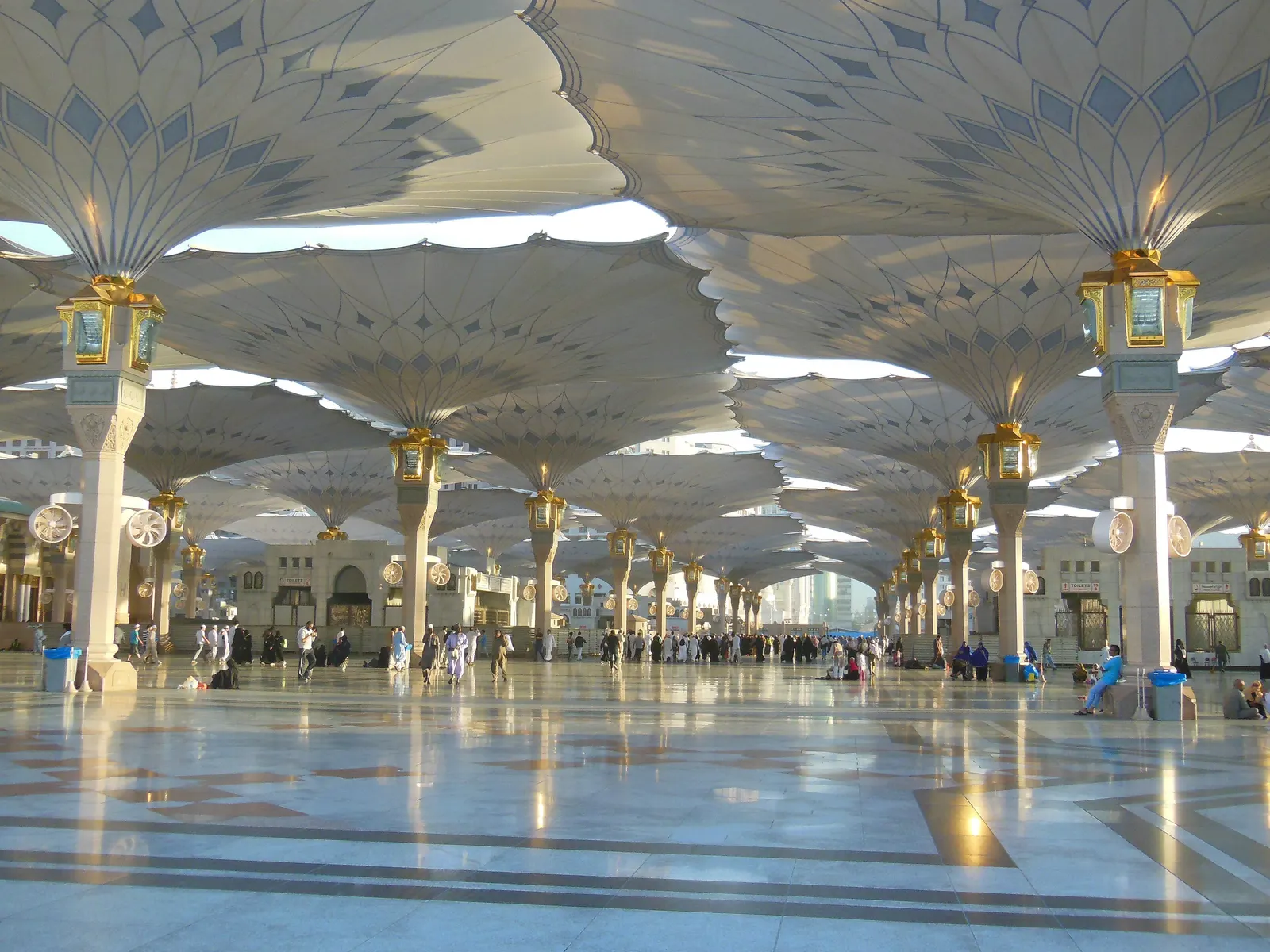
Family & Senior Travel
Umrah with Elderly Parents: A Practical Planning Guide
To plan Umrah with elderly parents, choose a hotel with a short, level route to the mosque, arrange airport and mosque mobility help early, pace the trip with rest days, plan for heat and medication, and settle medical and religious questions before you go.
5 min read
Travel Planning
Family Umrah Rooms and Transport: What to Book
For a family Umrah, confirm in writing the room type, number of beds, maximum occupancy and any cot, then book transport sized for your family and luggage: a private car or van for airport transfers and, depending on needs, the Haramain train or a car between Makkah and Madinah.
5 min read
Performing Umrah
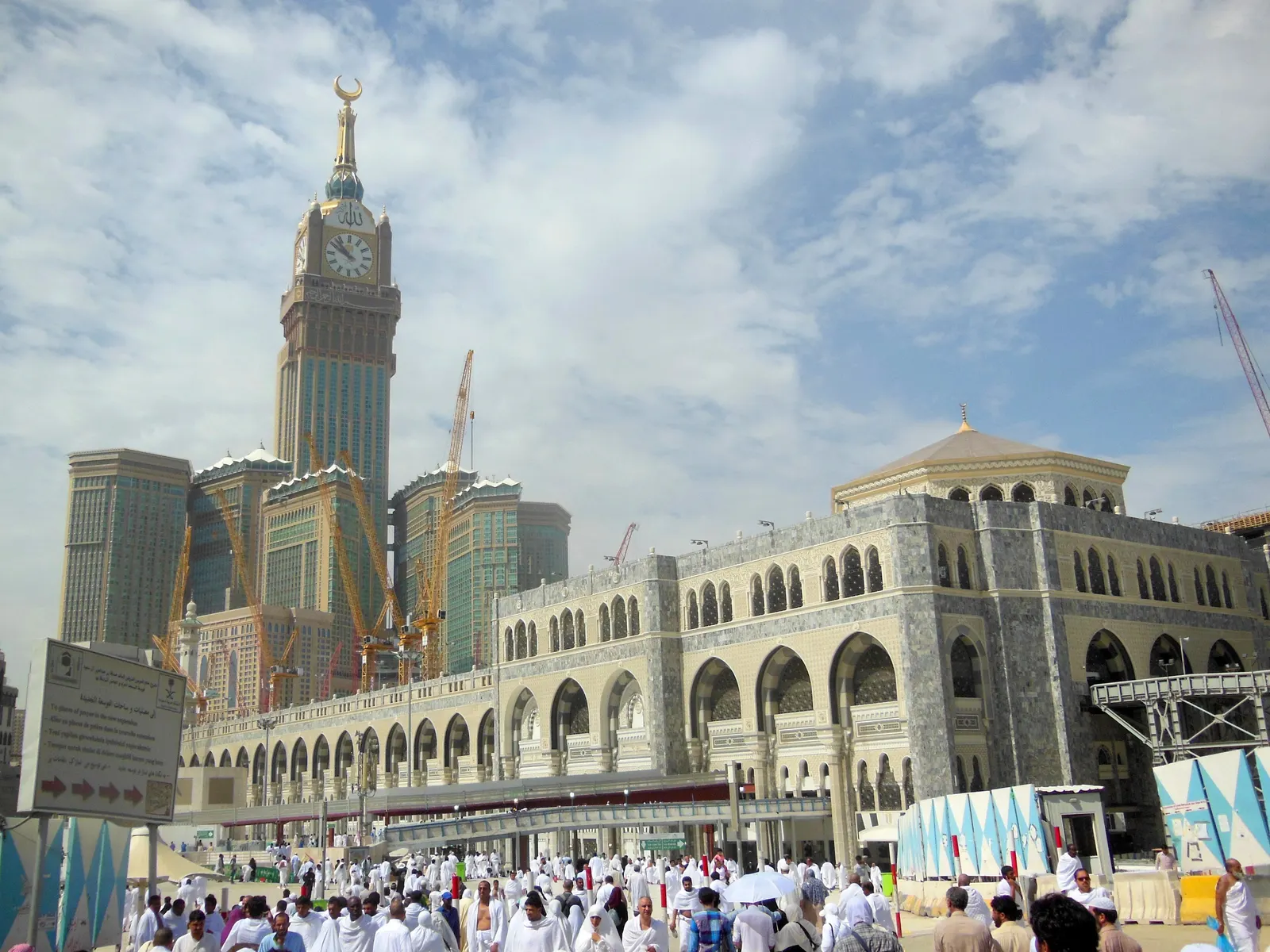
Sa’i Between Safa and Marwah: How to Perform It
Sa’i is seven legs between the hills of Safa and Marwah, starting at Safa and ending at Marwah, performed after Tawaf. Here is the route, what to say, the green-light section, floors and wheelchair lanes, and the questions pilgrims ask most.
5 min read
Family & Senior Travel
Umrah with Children: Planning, Safety and the Rites
Children can come on Umrah and take part in the rites with their parents’ help. Plan for passports and permits early, choose a close hotel for naps, protect children in crowds with ID and meeting points, and ask a scholar about the details of a child’s Ihram.
5 min read
Performing Umrah
Umrah for Women from the USA: Travel Rules and Practical Tips
Saudi rules have relaxed for women traveling for Umrah, and the Ministry of Hajj and Umrah has said women may perform Umrah without a mahram. Eligibility details can change, so check the official portals, consider a scholar’s view on traveling without a mahram, and plan dress, menstruation and safety ahead.
5 min read
Travel Planning
Large Group Umrah Planning: Families, Masjids and Communities
A large group Umrah needs one organizer, an early start, a clear rooming list, fixed payment and cancellation terms for each traveler, transport sized for the group, and a plan for the slowest members. Here is a step-by-step guide for extended families, masjids and community groups.
5 min read