
Performing Umrah
Sa’i Between Safa and Marwah: How to Perform It
Sa’i is seven legs between the hills of Safa and Marwah, starting at Safa and ending at Marwah, performed after Tawaf. Here is the route, what to say, the green-light section, floors and wheelchair lanes, and the questions pilgrims ask most.
General guidance, not a religious ruling. Practice can differ between schools of thought; for your own circumstances, consult a qualified scholar.
Quick answers
- How many laps is Sa’i?
- Seven legs. Safa to Marwah is the first, Marwah back to Safa is the second, and the seventh ends at Marwah.
- How far is Sa’i?
- Each leg is commonly described as roughly 400 to 450 meters, so the seven legs come to about three kilometers. Most pilgrims take 45 to 90 minutes.
- Do I need wudu for Sa’i?
- The majority of scholars hold that wudu is recommended, not required, for Sa’i.
- Do women run between the green lights?
- No. In mainstream practice, men hasten their pace between the green lights if they are able, and women walk at a normal pace.
Sa’i is the walk of seven legs between the hills of Safa and Marwah, performed after Tawaf. You start at Safa and finish at Marwah. Allah says, “Indeed, Safa and Marwah are among the symbols of Allah” (2:158), and the rite recalls Hajar, the mother of Isma‘il, who ran between the two hills searching for water for her son until the spring of Zamzam appeared (Sahih al-Bukhari 3364).
Sa’i in brief
- When: after Tawaf, the two units of prayer and Zamzam
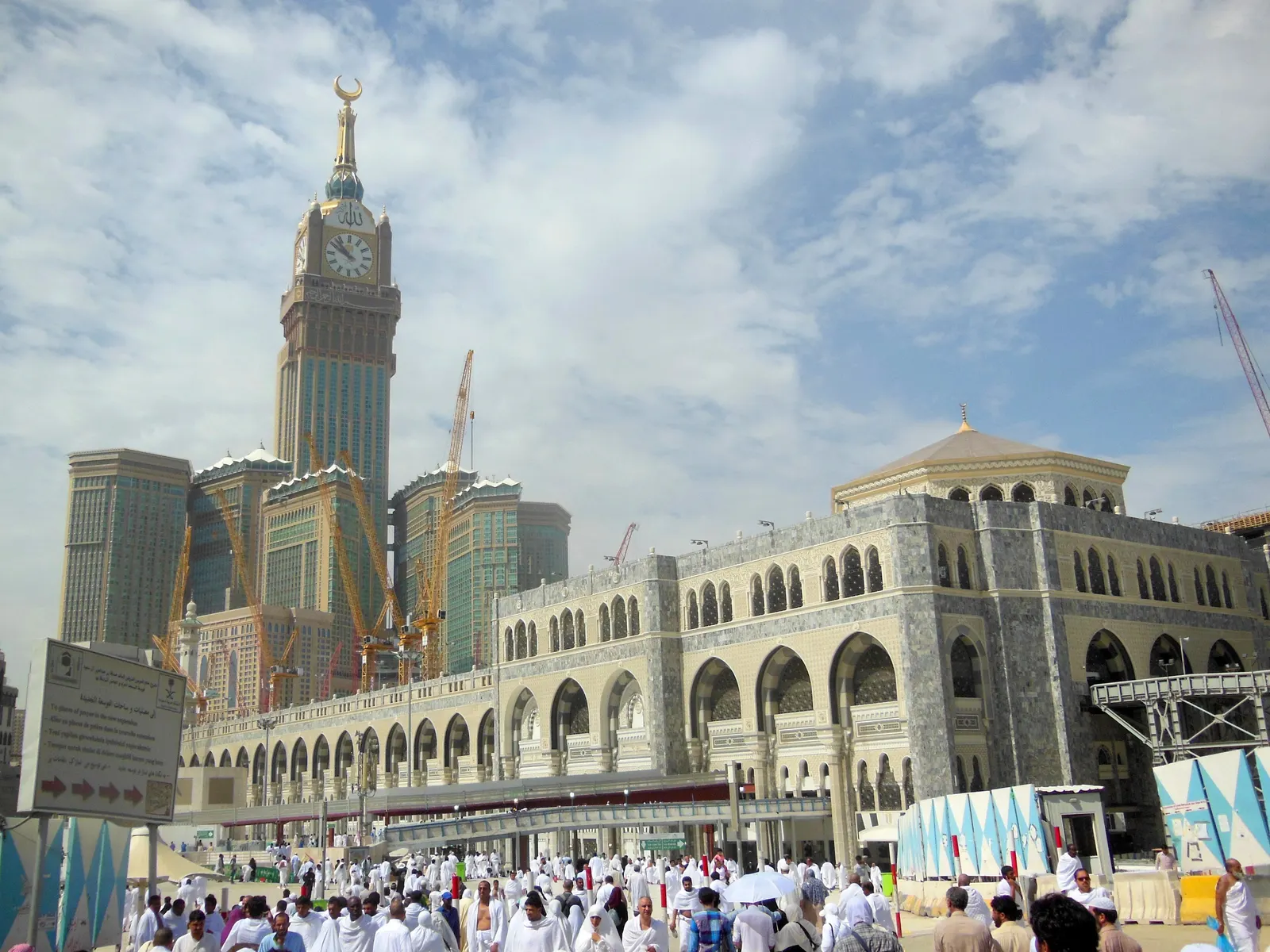
- Where: the Mas‘a, an enclosed, air-conditioned gallery on the eastern side of Masjid al-Haram, with several floors
- How many: seven legs, ending at Marwah
- Distance: roughly 400 to 450 meters per leg, about three kilometers in all
- Time: often 45 to 90 minutes
- Purity: wudu recommended, not required, in the majority view
How to perform Sa’i, step by step
- Go to Safa. Follow the signs from the mataf. Many pilgrims touch the Black Stone line again on the way out, following Jabir’s account (Sahih Muslim 1218).
- Recite at Safa. As you approach, recite “Innas-Safa wal-Marwata min sha‘a’irillah” and, as narrated, “I begin with what Allah began with.” This is said at the start only.
- Face the Kaaba from the hill, say “Allahu Akbar” and declare Allah’s oneness, then raise your hands and make dua. Jabir describes the Prophet ﷺ doing this three times.
- Walk toward Marwah. Between the two sets of green lights, men hasten their pace if able; women walk normally.
- At Marwah, face the direction of the Kaaba and make dua as at Safa. That is the first leg.
- Return to Safa for the second leg, and continue. Legs 1, 3, 5 and 7 go toward Marwah; legs 2, 4 and 6 return to Safa.
- Finish at Marwah after the seventh leg, then go for halq or taqsir.
Counting the legs
| Leg | From | To |
|---|---|---|
| 1 | Safa | Marwah |
| 2 | Marwah | Safa |
| 3 | Safa | Marwah |
| 4 | Marwah | Safa |
| 5 | Safa | Marwah |
| 6 | Marwah | Safa |
| 7 | Safa | Marwah (finish) |
A simple rule: if you are walking toward Marwah, you are on an odd-numbered leg. If you lose count, build on the number you are sure of.
Floors, lanes and accessibility
- Ground floor: closest to the original hills, where the rock of Safa and Marwah is visible behind glass
- Upper floors and roof: often less crowded; the roof is exposed to the sun in the daytime
- Accessible lanes: a separated lane for wheelchairs and carts runs along the Mas‘a
- Carts: the Pilgrim Experience Program describes manual carts throughout the mosque and electric carts bookable electronically at peak times. Availability depends on crowds and is never guaranteed.
Restrooms and wudu areas are near both ends, and Zamzam dispensers line the route. The Ministry’s Umrah guide marks the Mas‘a route, wheelchair points and the hair-cutting centers near the Marwah gate.
Where scholars differ
- Ruling: most schools count Sa’i as a pillar of Umrah; the Hanafi school counts it as required (wajib). This matters mainly if a leg is missed.
- Continuity: scholars differ on how long a break may be.
- Sequence: Sa’i follows a valid Tawaf in mainstream practice; ask a scholar if you performed them out of order.
After Sa’i
Men shave or trim the whole head; women trim about a fingertip’s length. Barbers and the official hair-cutting centers are near the Marwah exit, and women can trim privately at the hotel. Your Umrah is then complete. See the full sequence in How to perform Umrah.
Common mistakes during Sa’i
| Mistake | What to do instead |
|---|---|
| Counting a round trip as one leg | Safa to Marwah is one leg; Marwah to Safa is the second |
| Starting at Marwah | Begin at Safa; in the majority view a leg from Marwah does not count |
| Reciting 2:158 at every hill | It is narrated at the start, on approaching Safa; afterward make your own dua |
| Women running between the green lights | Women walk normally in mainstream practice |
| Men keeping the right shoulder uncovered | Idtiba is for Tawaf; cover the shoulder before the prayer after Tawaf |
| Losing the group at Safa | Agree to meet at Marwah, where everyone finishes |
The meaning behind the walk
In the account in Sahih al-Bukhari 3364, Hajar climbed Safa to look for help, crossed the valley to Marwah, and repeated the search seven times before the angel revealed the water of Zamzam. The Prophet ﷺ said that this is why people walk between them. Many pilgrims reflect on her trust in Allah and her effort as they walk, and make dua for their own families.
Sa’i with children and older relatives
The Mas‘a is long but level and air-conditioned, which makes it easier than Tawaf for many families. Let older relatives use a wheelchair from the start rather than halfway through, and give young children a role, such as counting the legs. Our guide to Umrah with children has more ideas.
Practical tips
- Carry a small water bottle and refill it with Zamzam
- Wear socks or broken-in sandals; the marble is smooth and the distance adds up after Tawaf
- Agree with family on a meeting point at Marwah, the shared finish line
- If you are tired after Tawaf, rest before starting, provided your break is short. Our Umrah day planner suggests timings.
This guide describes mainstream practice with references to the Qur’an, hadith collections and official Saudi guidance. Details differ between schools of thought, and it is not a religious ruling. For questions about your own situation, please ask a qualified scholar you trust.
Traveling with someone who will need a wheelchair for Sa’i? Tell us when you inquire and we will plan hotels, transfers and timing around it. Get your personalized quote or explore family packages and private packages.
Frequently asked questions
Can I rest during Sa’i?
Yes. Short rests, drinking water and sitting for a moment are widely accepted, and there are places to pause along the route. Scholars differ on long interruptions, so if you need to stop for a long time, ask a scholar or your guide.
What if I started Sa’i at Marwah?
In the majority view, a leg that begins at Marwah does not count, so the first valid leg is the next one starting from Safa. If you are unsure how many valid legs you completed, build on the number you are sure of.
Can I perform Sa’i in a wheelchair?
Yes. The Mas‘a has lanes for wheelchairs and carts, and pilgrims are widely permitted to perform Sa’i seated. Availability of carts at busy times is not guaranteed; see accessibility planning.
Can a menstruating woman perform Sa’i?
Many scholars hold that purity is not a condition of Sa’i itself, but in the sequence of Umrah, Sa’i follows a valid Tawaf. A woman who cannot perform Tawaf therefore usually waits. Ask a scholar about your circumstances.
Is there a fixed supplication for each leg?
No. Besides the words narrated at Safa and Marwah, pilgrims make dua and remember Allah in their own words and language.
What are the main stages of Umrah?
In mainstream practice, Umrah has four parts: entering Ihram with the intention at or before the miqat, Tawaf (seven circuits around the Kaaba), Sa’i (seven walks between Safa and Marwah), and shaving or trimming the hair, after which the restrictions of Ihram end. Our step-by-step guide explains each part. Schools of thought differ on some details, so please ask a qualified scholar about your own situation.
What is Sa’i?
Sa’i is walking seven times between the hills of Safa and Marwah, inside Masjid al-Haram, recalling Hajar’s search for water for her son Ismail. It starts at Safa and ends at Marwah, which is about 3 km in total; the route is indoors and air-conditioned, with several floors and lanes for wheelchair users. See Sa’i between Safa and Marwah.
Sources and official references
- Qur’an 2:158 (Safa and Marwah among the symbols of Allah) (opens in a new tab)
- Sahih al-Bukhari 3364: Hajar between Safa and Marwah (opens in a new tab)
- Sahih Muslim 1218: Jabir’s description of the Prophet’s pilgrimage (opens in a new tab)
- Ministry of Hajj and Umrah: Umrah guide (English, PDF) (opens in a new tab)
- Pilgrim Experience Program: smart mobility services at the Two Holy Mosques (March 2026) (opens in a new tab)
- Ministry of Hajj and Umrah, Kingdom of Saudi Arabia (opens in a new tab)
- Nusuk: official Saudi platform for Umrah permits and pilgrim services (opens in a new tab)
Sources checked . Rules for visas, travel and health change. Always confirm with official sources before you travel.
Preparing for your first Umrah?
A specialist can help you plan the journey around the rites, from arrival in Makkah to your days in Madinah.
Plan My Umrah
Safa Rihla Umrah Editorial Team
Umrah travel specialists
Guides from the Safa Rihla Umrah team are written for pilgrims traveling from the United States. They combine practical travel planning with mainstream explanations of the rites, note where scholarly opinions differ, and say so when a guide is still awaiting review by a qualified reviewer. They are general information, not personal religious rulings; please consult a qualified scholar about your own circumstances.
Related guides
All guides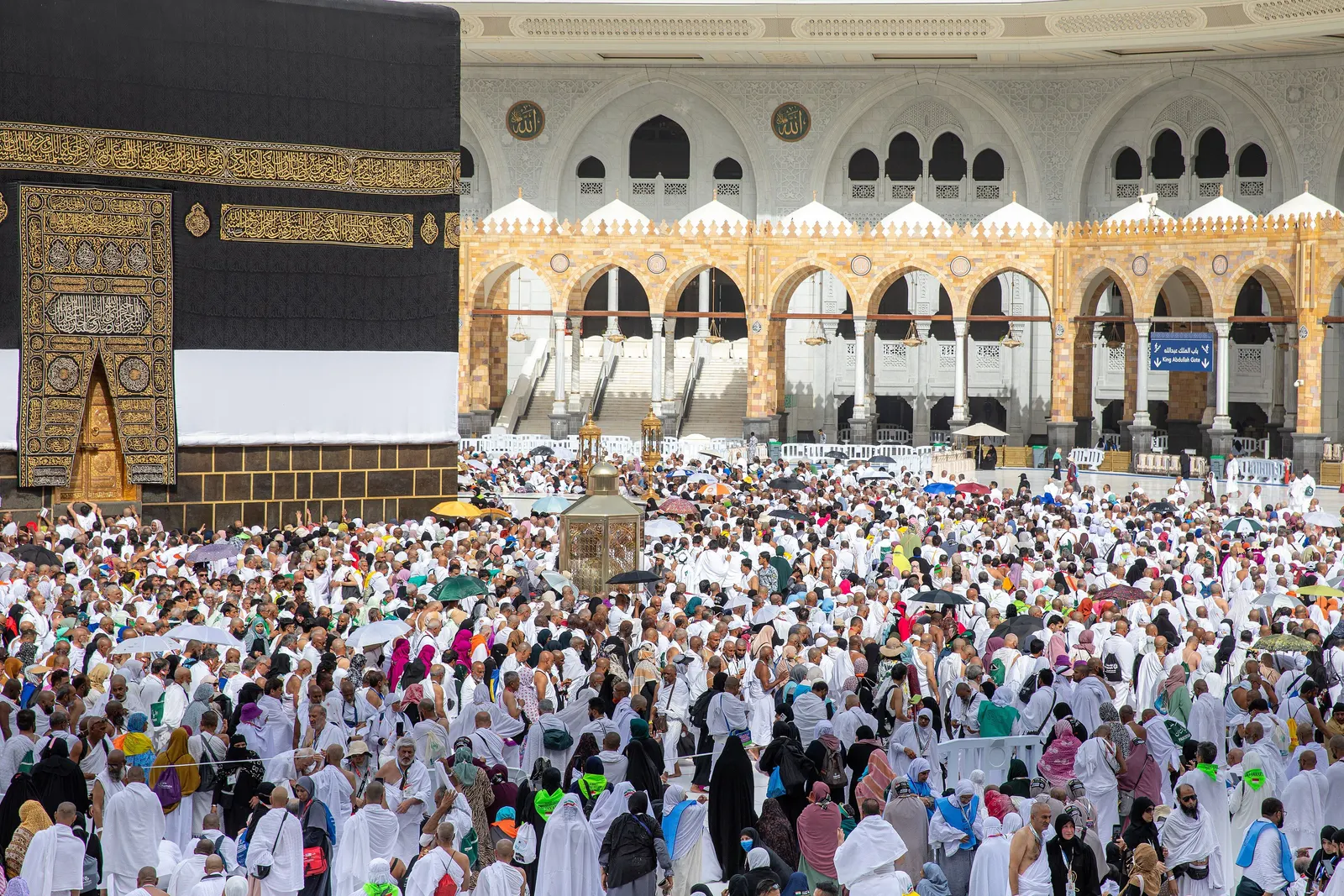
Performing Umrah
Tawaf Explained: How to Circle the Kaaba Step by Step
Tawaf is seven counter-clockwise circuits around the Kaaba, starting and ending at the Black Stone. Here is how to perform it, which floor to choose, how to keep count and what to do if prayer starts or your wudu breaks.
5 min read
Performing Umrah
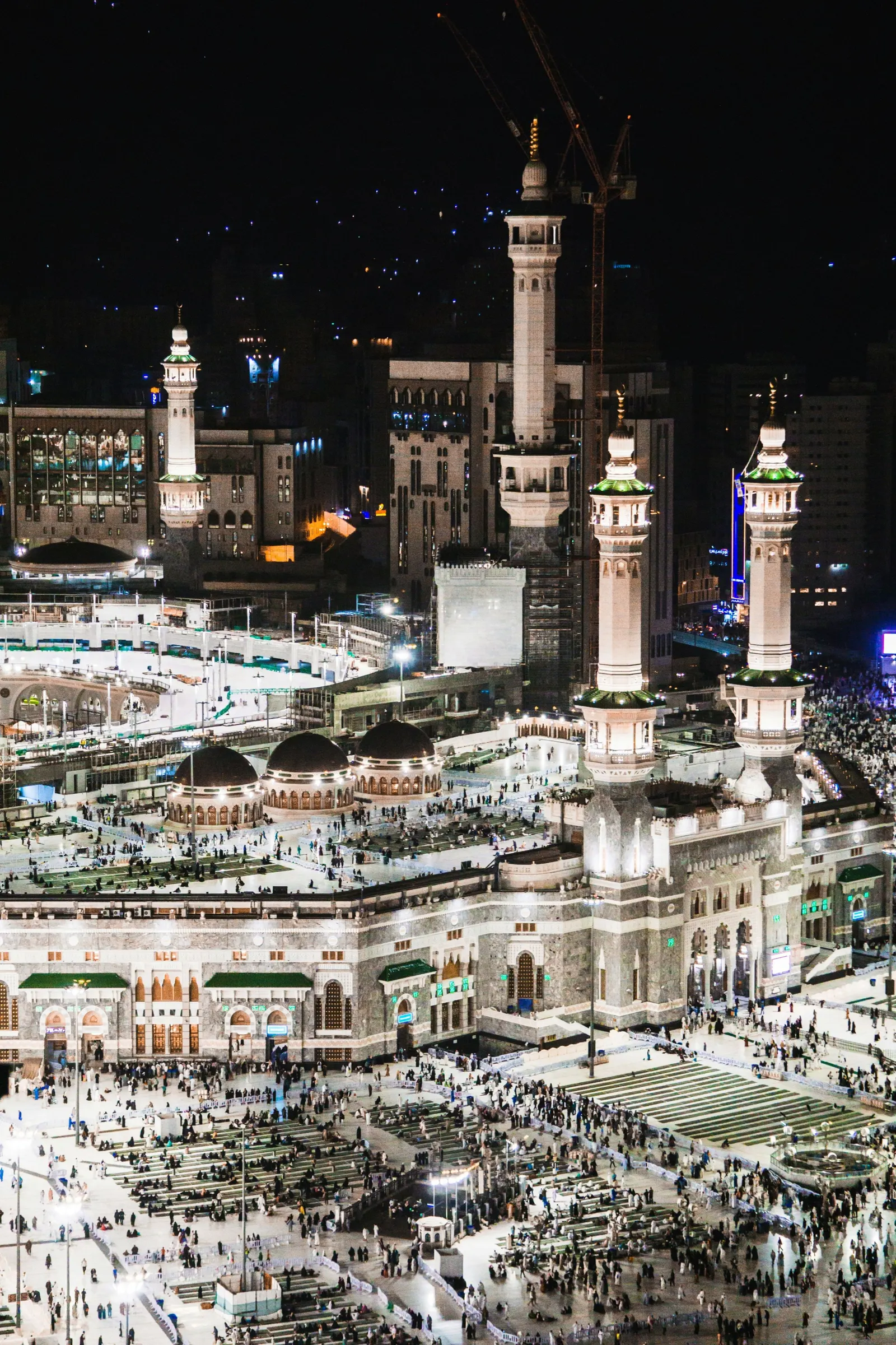
Planning Your Umrah Day: Timing, Rest and Crowds
Plan your Umrah day around three things: rest after the flight, the five daily prayers, and the heat. Here is a sample timeline from arrival to the final trim, with quieter times to aim for and what to carry.
5 min read
Performing Umrah
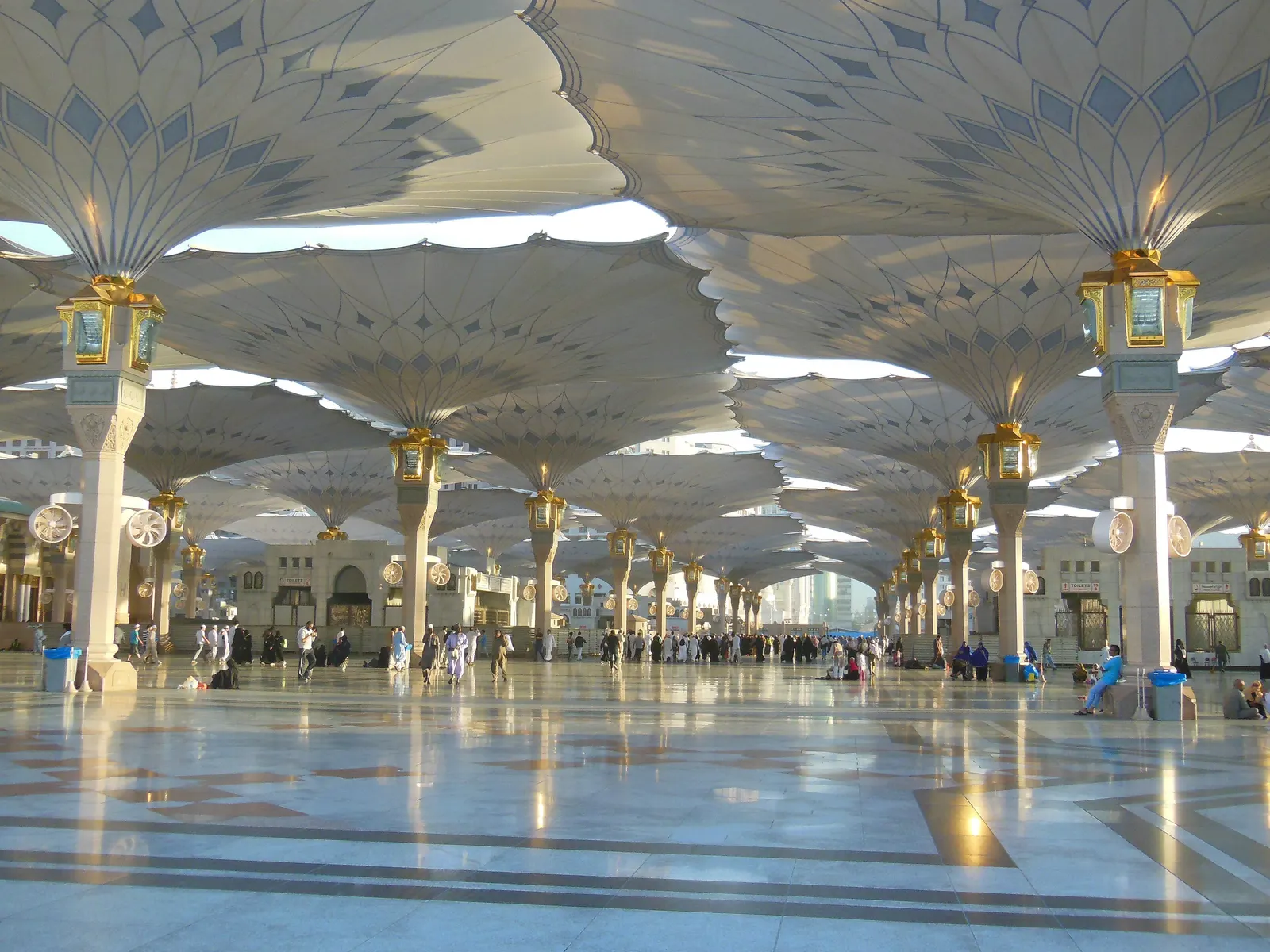
Umrah Etiquette and Preparation Tips
Good Umrah etiquette comes down to sincerity, patience and consideration for other pilgrims: settle debts and disputes before you go, keep phones and photos discreet, never push for the Black Stone, and follow mosque staff. Here is a practical guide.
5 min read
Performing Umrah
Ihram Explained: Rules and Practicalities for Men and Women
Ihram is the sacred state you enter with the intention for Umrah at or before the miqat. Here is what men and women wear, what is restricted, where the schools differ, and how to enter Ihram on a long flight from the United States.
5 min read
Performing Umrah
Common Umrah Preparation Mistakes (and How to Avoid Them)
The most common Umrah mistakes happen before you leave home: no plan for the miqat, Ihram packed in checked luggage, an unchecked permit, the wrong hotel for your group, and no rest after the flight. Here is a checklist to avoid each one.
5 min read