
Practical preparation
Umrah Travel Kit Essentials: Your Carry-On and Day Bag
Build four small kits: a documents pouch, an in-flight and Ihram kit for the carry-on, a mosque day bag, and a health kit. Each fits in a bag you carry yourself, so the essentials are always with you even if a suitcase is delayed.
General guidance, not a religious ruling. Practice can differ between schools of thought; for your own circumstances, consult a qualified scholar.
Quick answers
- What should be in my Umrah carry-on?
- Passport and documents, all medicines, Ihram for men flying straight to Makkah, a change of clothes, unscented toiletries within liquid limits, a phone charger and power bank.
- What should I take to the mosque each day?
- Phone, hotel card, a small amount of cash, a water bottle, a shoe bag, a small prayer mat if you use one and any medicine you need during the day. Leave everything else at the hotel.
- How much cash should I carry?
- Enough for small purchases each day; cards are widely accepted. The State Department notes a 40,000-riyal threshold for currency on entry and exit, so check its rules if you carry large sums.
Your suitcase can be delayed, left at the hotel or sent ahead by road. What matters is what you carry yourself. Think of it as four small kits, each in a pouch or bag you can grab. The full list of what goes in your luggage is in our printable Umrah packing checklist; this guide is about the bags that stay with you.
Kit 1: documents pouch
- Passport, visa approval and Umrah permit confirmation
- Green card or U.S. visa, if you are not a U.S. citizen
- Printed flight, hotel, transfer and train confirmations
- Travel insurance details and emergency contacts
- Vaccination records
- One debit and one credit card, kept apart, and some Saudi riyals
Photograph every document and keep the photos on your phone and in a secure cloud folder. Store a printed copy separately from the originals.
Kit 2: in-flight and Ihram kit
This lives in your carry-on for the long journey from the U.S.
- Ihram garments and an Ihram belt for men flying straight to Makkah, ready to change into at the last layover
- Unscented toiletries in travel sizes, within liquid limits
- A change of clothes
- Neck pillow, eye mask and earplugs
- Empty water bottle to fill after security
- Snacks for long connections
- Phone charger, power bank and two Type G adapters
For Ihram timing on flights, see Ihram Explained.
Kit 3: mosque day bag
A small cross-body bag or waist pouch you take to every prayer.
- Phone, with hotel location and meeting gates saved
- Hotel card in Arabic and English
- Small amount of cash
- Refillable water bottle; Zamzam is available in the mosques
- Drawstring shoe bag
- Pocket tissues and unscented hand sanitizer
- A small folding prayer mat if you use one
- Any medicine you need during the day
Keep it light: you will carry it through crowds for hours.
Kit 4: health kit
- Prescription medicines in original packaging, with copies of prescriptions
- Pain relief, blister pads, rehydration salts and anti-chafing balm
- Throat lozenges and face masks for crowded spaces
- Unscented sunscreen and lip balm
- A written list of medicines and doses, in case someone else needs to help
Check the CDC page and speak with your doctor before travel.
Which kit goes where
| Kit | On the flight | Intercity travel day | Daily in the mosque |
|---|---|---|---|
| Documents pouch | On you | On you | Phone copies; originals secured at the hotel |
| In-flight and Ihram kit | Carry-on | Carry-on, with Ihram if heading to Makkah | Stays at the hotel |
| Mosque day bag | Packed inside the carry-on | On you | On you |
| Health kit | Carry-on | Carry-on | Day’s doses in the day bag |
Examples
- A father from Detroit traveling with two children: one documents pouch for the family, each child with a name card and water bottle in a small backpack
- A woman from Atlanta traveling with a group: a cross-body bag with a phone power bank, as group days can be long
- A couple from Seattle on a 30-hour journey: in-flight kits with compression socks and a full change of clothes
A simple evening routine
The kits only work if they are ready each morning. Before you sleep, take two minutes to reset them:
- Charge the phone and power bank
- Refill the water bottle
- Put the next day’s medicines in the day bag
- Check the hotel card and a little cash are in place
- Return your passport to the hotel safe if you took it out
On the day you move cities or fly, do the same check before you leave the room, and once more before the car pulls away.
Kits for the people with you
- Children: a small backpack with a name card, water bottle, snack, a familiar comfort item and a light layer for air-conditioned halls
- Older parents: a seat cushion or folding cane seat, the day’s medicines, a written list of conditions and doses, and spare glasses
- Wheelchair users: a charged device or spare battery where relevant, a cushion, a waterproof cover for bags and the carer’s phone number on the chair
Restocking on the trip
You do not need to bring everything from home. Shops near both holy mosques sell Ihram garments, sandals, unscented toiletries, prayer mats, umbrellas, power banks and modest clothing. Pharmacies are easy to find. Bring prescription medicines from home, though, since the same brand may not be available.
The intercity travel day
On the day you move between Makkah and Madinah, your carry-on becomes your lifeline again: documents, medicines, chargers, snacks and, if you are heading to Makkah for Umrah, Ihram. If big cases travel separately by road, make sure nothing you need that evening is inside them.
Money tips
- Tell your bank you are traveling
- Cards are widely accepted; carry a small amount of cash for small purchases
- The State Department notes a 40,000-riyal threshold for currency and financial instruments on entry and exit; check how declarations work if you carry large sums
Related reading
For the reasoning behind your whole packing list, see What to Pack for Umrah. For your phone, see Umrah Phone, SIM and Apps, and for bag allowances, Umrah Baggage, Connections and Return Flights. The bigger picture is in our complete guide to Umrah from the USA.
This guide is general travel information. Official rules, operator plans and airline policies change, so check the official source before you travel and confirm the details of any booking in writing.
Ready to plan? Request a personalized quote, or browse family packages for ideas. Everything is arranged on request, subject to availability.
Frequently asked questions
Can I bring a prayer mat in my carry-on?
Yes, a folding prayer mat is fine in a carry-on. Mosques are carpeted, so many pilgrims use one only in courtyards or at the airport.
Are liquids limited on the way out?
Yes. TSA liquid limits apply at U.S. airports, and similar limits apply at hubs abroad. Keep unscented toiletries in travel sizes in a clear bag.
Should I carry my passport to the mosque?
Keep your passport secure at the hotel unless you need it, and carry a photo of it and your permit on your phone. Follow any current instructions from the authorities or your hotel.
What should children carry?
A card or bracelet with a parent’s phone number and the hotel name, a small water bottle and a snack. Keep their documents with you.
What should I check in my transfer confirmation?
Check the date, pickup time and flight number, the pickup point (arrivals hall or a station), the hotel name, the number of passengers and bags, whether it is private or shared, and a local contact number to call if you cannot find the driver. Save it on your phone and keep a printed copy, since mobile data may not work right after landing.
What is usually inside an Umrah travel kit?
A typical kit has Ihram cloths for men, an Ihram belt or pouch, a small prayer mat, a drawstring bag for shoes, a counter for Tawaf and Sa’i circuits, unscented soap and travel-size toiletries, and sometimes a pocket book of supplications. Useful additions are a refillable water bottle, a portable charger and a small umbrella for sun. See travel kit essentials.
What information should I keep on my phone?
Keep offline copies of your passport and visa pages, Nusuk permits, flight tickets, hotel and transfer confirmations, your quote, travel insurance details, your coordinator’s contact and the U.S. consulate’s number. Add your hotel’s name in Arabic and English and save a map of the area. Protect the phone with a passcode, and keep paper copies of the essentials in a separate bag.
What is the time difference, and what plugs are used?
Saudi Arabia is on UTC+3 all year, so it is 7 hours ahead of U.S. Eastern Time in summer and 8 hours ahead in winter, and 10 or 11 hours ahead of Pacific Time. Outlets mostly take the three-pin Type G plug at 230 volts, so bring an adapter; phone and laptop chargers usually handle the voltage, but check hair tools.
Sources and official references
- Transportation Security Administration (TSA) (opens in a new tab)
- U.S. Department of State: Saudi Arabia travel advisory and country information (Level 3, issued October 12, 2026) (opens in a new tab)
- CDC Travelers’ Health: Saudi Arabia (opens in a new tab)
- Nusuk: official Saudi platform for Umrah permits and pilgrim services (opens in a new tab)
Sources checked . Rules for visas, travel and health change. Always confirm with official sources before you travel.
Planning your Umrah?
A specialist can help with dates, hotels and travel questions, and reply with an itemized quote in USD. There is no obligation.
Get your personalized quote
Safa Rihla Umrah Editorial Team
Umrah travel specialists
Guides from the Safa Rihla Umrah team are written for pilgrims traveling from the United States. They combine practical travel planning with mainstream explanations of the rites, note where scholarly opinions differ, and say so when a guide is still awaiting review by a qualified reviewer. They are general information, not personal religious rulings; please consult a qualified scholar about your own circumstances.
Related guides
All guides
Travel Planning
What to Pack for Umrah: A Practical Guide for U.S. Travelers
Pack light, keep documents, medicines and Ihram in your carry-on, choose broken-in footwear, bring unscented toiletries for the time in Ihram, and adjust for the season: cool winter evenings, Ramadan nights or summer heat. This guide explains the reasoning; the printable checklist lists the items.
5 min read
Travel Planning
Umrah Phone, SIM and Apps: Staying Connected in Saudi Arabia
You have three ways to stay connected: your U.S. carrier’s international plan, a travel eSIM bought before you leave, or a Saudi visitor SIM or eSIM from stc, Mobily or Zain, which must be registered to your passport. Install Nusuk, your airline’s app and offline maps before you fly.
5 min read
Travel Planning
Umrah Baggage, Connections and Return Flights
Check your bag allowance each way, keep Ihram and medicines in your carry-on, give connections enough time, and plan the flight home around Zamzam, gifts and the airline’s rules. Here is what to check before you book and before you fly back.
5 min read
Travel Planning
How to Read an Umrah Quote
A good Umrah quote names every hotel, room type and meal plan, states how each hotel reaches the Haram, lists flights, transfers and visa support as included or excluded, explains the price basis and occupancy, says what is confirmed and what is still on request, and sets out the deposit, payment dates, validity and cancellation terms.
5 min read
Makkah & Madinah
Makkah and Madinah Orientation for First-Time Visitors
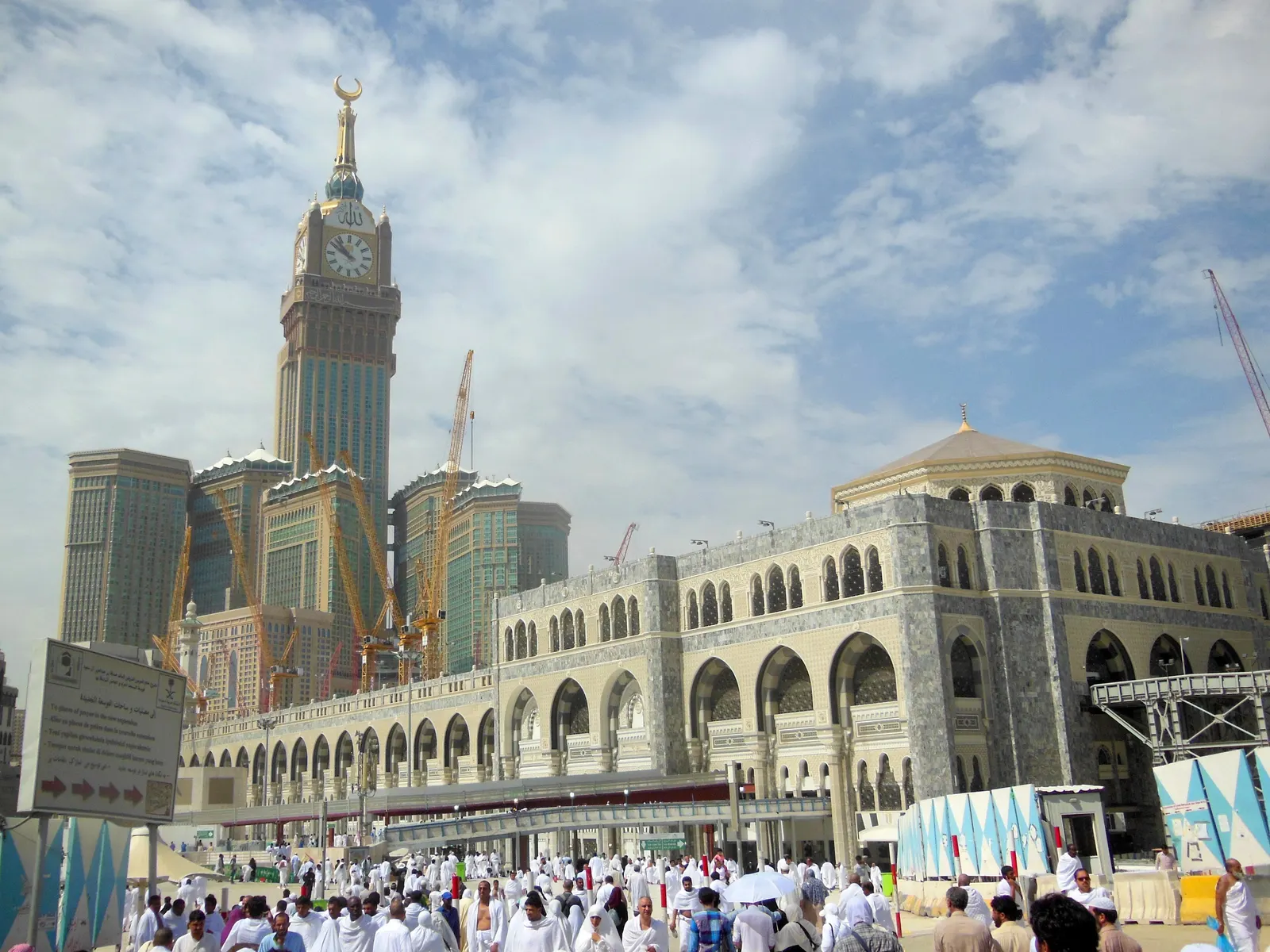
Find your way around the two holy cities: how the Masjid al-Haram and the Prophet’s Mosque are laid out, how to use gates as meeting points, how the Rawdah works through Nusuk, getting around each city and the daily rhythm set by prayer times.
5 min read
Travel Planning
When Umrah Plans Change: Delays, Cancellations and Date Changes
If your Umrah plans change, contact your airline and your specialist straight away, keep every message in writing, check your visa and the Umrah season dates before agreeing to new ones, and use your insurance. With flights to the region disrupted at times, here is what to do before and during the trip.
5 min read